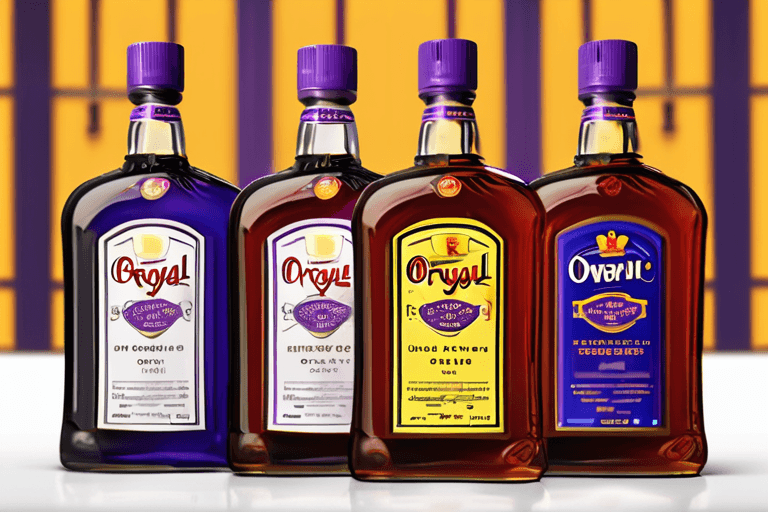
Ontario Premier Doug Ford's threat to ban Crown Royal whisky from the province's liquor stores could significantly impact Diageo's Canadian sales and market share. The move, stemming from a dispute over Diageo's decision to close its Ontario whisky plant and relocate operations to the United States, has raised concerns about economic nationalism and the potential use of provincial liquor control as a political tool.
Ford's warning to "stock up" signals a serious intent to leverage the Liquor Control Board of Ontario (LCBO), one of the world's largest alcohol purchasers, to remove Crown Royal from its shelves. While the exact financial impact remains to be seen, Crown Royal is a leading whisky brand in Canada, and Ontario represents a substantial portion of its domestic sales. A ban could lead to a noticeable decline in Diageo's revenue from the Canadian market.
The potential ban introduces uncertainty into the Canadian spirits market. Consumers may switch to competing whisky brands, benefiting companies like Pernod Ricard (owner of J.P. Wiser's) or Beam Suntory (maker of Canadian Club). The move could also prompt retaliatory actions from other provinces or countries, potentially escalating trade tensions.
Diageo, a multinational beverage giant with a portfolio including Johnnie Walker, Guinness, and Smirnoff, announced the closure of its Ontario plant citing efficiency and cost optimization. The decision sparked outrage in Ontario, with Ford accusing Diageo of prioritizing profits over local jobs and investment. The company's global net sales for fiscal year 2023 were £15.5 billion, demonstrating its significant scale and international reach.
Looking ahead, the situation remains fluid. Diageo may attempt to negotiate with the Ontario government to find a compromise. However, Ford's strong stance suggests a willingness to follow through with the ban. The outcome will likely depend on the political calculations of both parties and the potential economic consequences for Ontario's hospitality sector and consumers. The situation highlights the complex interplay between government policy, corporate strategy, and consumer preferences in the alcoholic beverage industry.



















Discussion
Join the conversation
Be the first to comment