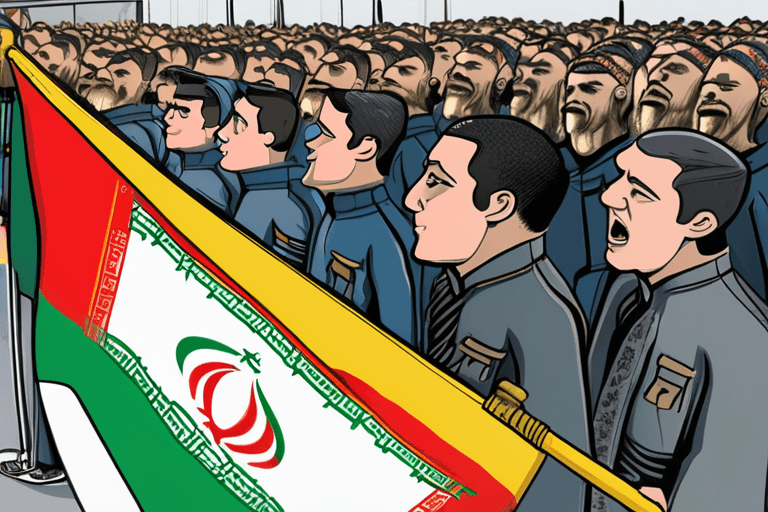
Protests against the Iranian government have spread to at least 17 of the country's 31 provinces, according to a BBC Verify and BBC Persian analysis. The demonstrations, which began on December 28, represent the most significant challenge to the Islamic Republic's leadership since 2022.
The BBC's analysis, based on verified video footage, indicates anti-government demonstrations and gatherings in over 50 towns and cities across Iran within the last 10 days. Reports suggest potential protests in an additional 11 provinces, though these remain unverified. The unrest was initially triggered by a sharp devaluation of Iran's currency against the U.S. dollar and other major foreign currencies in Tehran.
Verified footage, consisting of over 100 geolocated and date-checked videos, reveals widespread participation in major Iranian cities, including regions previously considered strongholds of government support. The BBC noted that the actual number of protests is likely higher than the verified footage suggests.
The protests reflect growing discontent over economic conditions, government policies, and social restrictions. While specific policy details driving the protests vary, the currency devaluation appears to be a significant catalyst. The Iranian government has yet to issue a comprehensive response to the widespread nature of the demonstrations.
The current status of the protests remains fluid, with ongoing reports of demonstrations and government responses. Further developments are expected as the situation unfolds.
















Discussion
Join the conversation
Be the first to comment