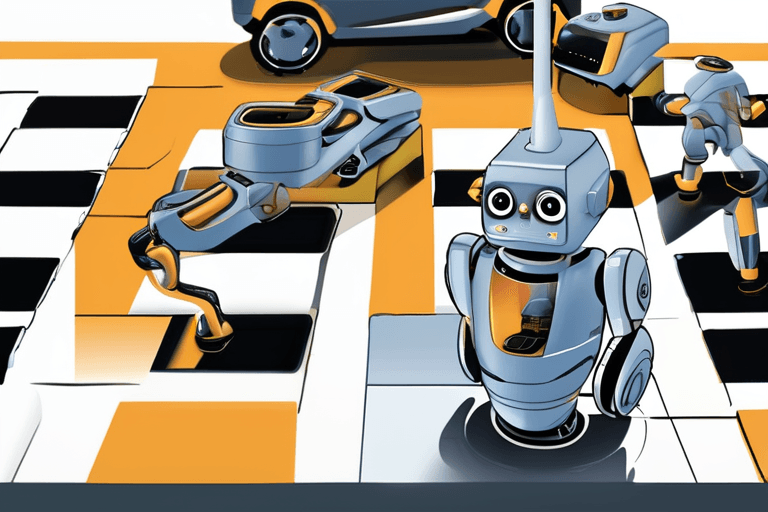
According to Hyundai, Atlas is designed for general industrial use and will be developed to work alongside human employees, autonomously managing machinery and taking on tasks that are physically strenuous or potentially dangerous. The company stated that the robots would help ease the burden on human workers and pave the way for broader adoption of the technology.
Hyundai owns a majority stake in Boston Dynamics, the technology company renowned for its Spot robot dog. The move to incorporate Atlas into its factories reflects a broader trend among major corporations. Companies like Amazon, Tesla, and Chinese car manufacturer BYD have also announced plans to utilize humanoid robots in their operations.
The integration of robots like Atlas is expected to be gradual, with the robots taking on more responsibilities over time. Hyundai's plans include deploying Atlas at its plant in Georgia, a facility that was previously involved in a large-scale immigration raid in 2025, suggesting the robots may also address labor shortages or fill roles in areas with specific workforce challenges.
The introduction of humanoid robots in manufacturing raises questions about the future of work and the potential impact on human employment. While Hyundai emphasizes the robots' role in easing physical strain and handling dangerous tasks, the long-term implications for the workforce remain a subject of ongoing discussion and debate within the industry.
















Discussion
Join the conversation
Be the first to comment