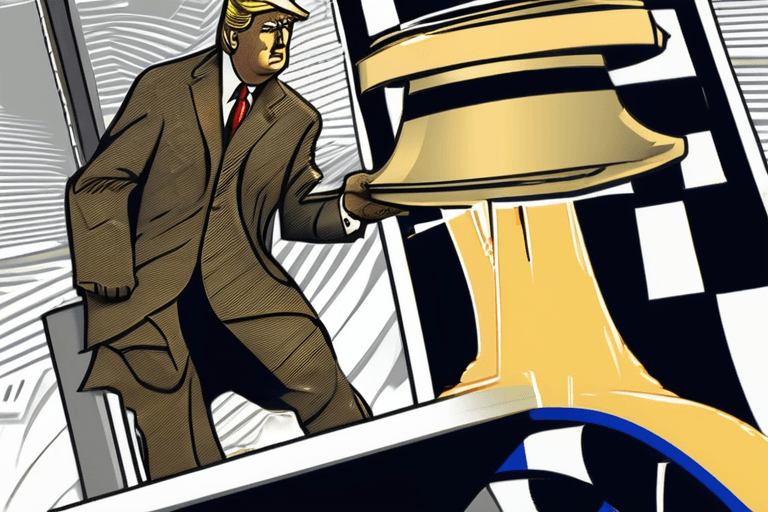
U.S. President Donald Trump stated that U.S. companies would invest billions of dollars in Venezuelan oil production following the removal of President Nicolás Maduro, but industry experts have expressed doubt about the speed and scale of such investments. Trump predicted that major U.S. oil companies would quickly establish expanded operations in Venezuela, which holds some of the world's largest proven oil reserves.
Analysts, however, anticipate that global energy giants will proceed cautiously without a firm guarantee of full reimbursement from the U.S. government for rebuilding Venezuela's oil infrastructure. The caution stems from concerns about the risks involved in operating in a country with a history of political instability and nationalization of assets.
The Venezuelan oil industry has suffered from years of underinvestment, mismanagement, and corruption, leading to a significant decline in production. Rebuilding the industry would require substantial capital, technological expertise, and security guarantees.
Industry insiders suggest that U.S. oil firms are wary of repeating past experiences where foreign companies faced expropriation or unfavorable contract terms in Venezuela. The country's history of nationalizing oil assets under previous administrations has created a climate of uncertainty for foreign investors.
Trump's focus on Venezuelan oil reinforces the claim that the U.S. action was primarily motivated by energy security concerns rather than a "war on drugs," as some critics had suggested. Venezuela's strategic importance as a major oil producer has long been a factor in U.S. foreign policy in the region.
The potential for U.S. investment in Venezuelan oil raises questions about the future of Venezuela's relationship with other global players, including China and Russia, who have also invested heavily in the country's energy sector. Any significant shift in Venezuela's oil policy could have implications for global energy markets and geopolitical dynamics in Latin America.

















Discussion
Join the conversation
Be the first to comment