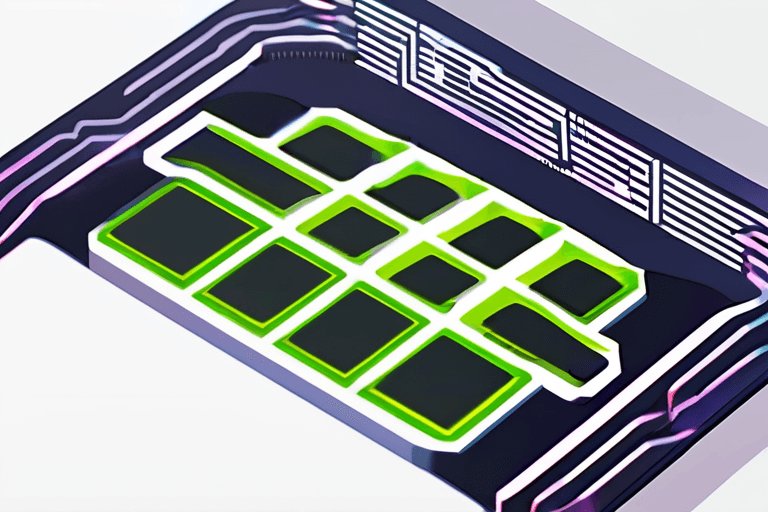
CES 2026 in Las Vegas showcased a range of technological advancements, with artificial intelligence dominating many companies' presentations alongside traditional hardware upgrades. Nvidia CEO Jensen Huang presented the company's new Rubin computing architecture, designed to address the growing computational demands of AI, and announced an AI model for autonomous vehicles.
Huang's presentation highlighted Nvidia's achievements in AI and outlined the company's plans for 2026, with the Rubin architecture slated to succeed the Blackwell architecture. The new architecture aims to provide enhanced processing power necessary for increasingly complex AI applications.
AMD also unveiled new chips, though specific details were not immediately available. Razer, known for its gaming peripherals, presented AI-driven concepts, adding to the diverse range of innovations on display.
The focus on AI at CES 2026 reflects the increasing integration of AI across various industries. The advancements in computing architecture, such as Nvidia's Rubin, are critical for enabling more sophisticated AI models and applications, including autonomous vehicles and advanced data analytics.
The event also featured previews at Sunday's Unveiled event, offering attendees a glimpse into upcoming technologies. TechCrunch is providing ongoing coverage of CES 2026, including real-time reactions and analysis from their team on the ground.













Discussion
Join the conversation
Be the first to comment