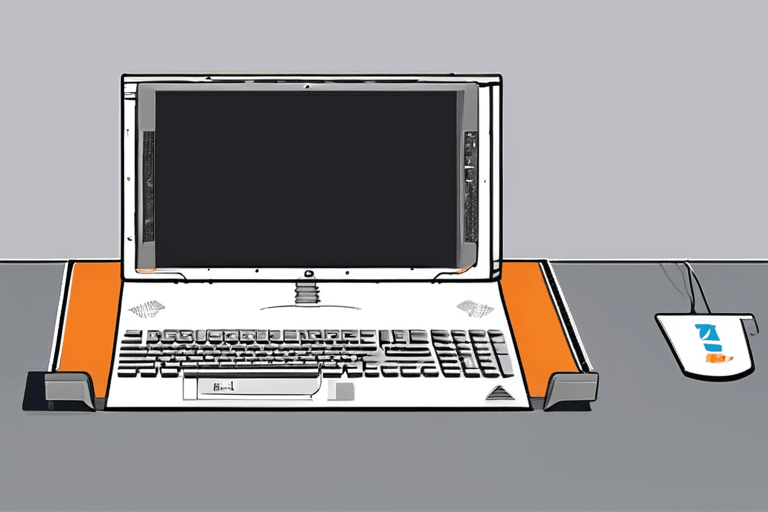
HP announced the EliteBoard G1a, a Windows 11 PC integrated into a functioning membrane keyboard, positioning it as a more accessible alternative to existing keyboard-based computers. The EliteBoard G1a harkens back to the Commodore 64, which popularized the keyboard-PC concept in the 1980s, but enters a market more recently shaped by the Raspberry Pi.
Raspberry Pi's influence in the keyboard-PC space began with the 2019 release of the Raspberry Pi 400, which housed a Raspberry Pi 4 single-board computer (SBC) within a keyboard case. This offered users USB, HDMI, and Ethernet ports, along with a GPIO header and the Raspberry Pi OS Linux distribution, creating a low-end desktop experience for approximately $100. The company later released the Pi 500, powered by a quad-core, 64-bit Arm Cortex-A76 processor, and featuring NVMe SSD storage instead of microSD, built into a low-profile mechanical keyboard, though at a higher price point of $200.
While Raspberry Pi has carved a niche, its products primarily appeal to hobbyists, DIY enthusiasts, and Linux users. HP's EliteBoard G1a aims to broaden the appeal of keyboard-based PCs by offering a Windows 11 environment, potentially attracting a wider audience seeking a simplified and integrated computing solution. Further details regarding the EliteBoard G1a's specifications, pricing, and availability are expected to be released in the coming weeks.


















Discussion
Join the conversation
Be the first to comment