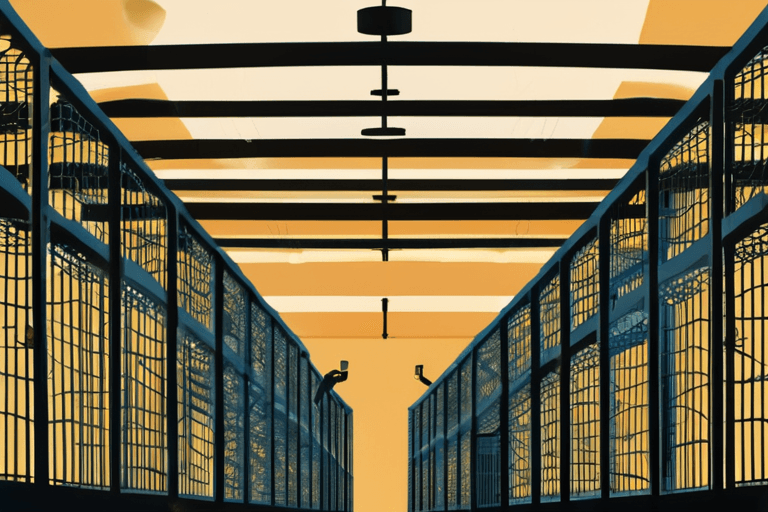
A proposal by the Federal Communications Commission (FCC) to allow state and local prisons to jam contraband cell phones is drawing criticism from wireless carriers, who argue the measure would disrupt legal communications. The proposal, championed by FCC Chairman Brendan Carr, has garnered support from Republican attorneys general and prison phone companies, but faces opposition from groups representing Wi-Fi and GPS interests, in addition to the wireless industry.
The central concern revolves around the indiscriminate nature of jamming technology. According to CTIA, a wireless lobby group representing major carriers like AT&T and Verizon, jamming blocks all communications within a designated area, not just those originating from unauthorized devices. In comments filed with the FCC on December 29, CTIA argued that this blanket approach would prevent legitimate calls, including emergency 911 calls.
AT&T echoed these concerns in separate comments, stating that the proposed legal framework rests on a "flawed factual premise." The company contends that while the Communications Act prohibits interference with authorized radio communications, Carr's plan attempts to circumvent this prohibition by de-authorizing certain communications.
The debate highlights the challenge of balancing security concerns within correctional facilities with the need to maintain reliable communication services for the public. Proponents of jamming argue that it is a necessary tool to combat criminal activity orchestrated from within prisons, including drug trafficking and violence. They assert that contraband cell phones pose a significant threat to public safety and that jamming is the most effective way to neutralize this threat.
However, opponents argue that jamming technology is a blunt instrument that could have unintended consequences. They suggest that alternative solutions, such as managed access systems that allow authorized calls while blocking unauthorized devices, offer a more targeted approach. These systems use technology to identify and block specific cell phones, while allowing other devices to operate normally.
The FCC's proposal raises complex legal and technical questions. One key issue is the FCC's authority to authorize jamming, given the Communications Act's prohibition on interference with authorized radio communications. CTIA argues that the FCC lacks the legal authority to allow jamming, while proponents of the proposal contend that the FCC has the power to regulate radio communications in the public interest.
The FCC is currently reviewing the comments filed by various stakeholders and is expected to issue a ruling on the proposal in the coming months. The decision will have significant implications for the future of contraband cell phone control in prisons and the balance between security and communication access. The debate also underscores the broader challenge of regulating rapidly evolving wireless technologies and ensuring that they are used in a way that benefits society as a whole.



















Discussion
Join the conversation
Be the first to comment