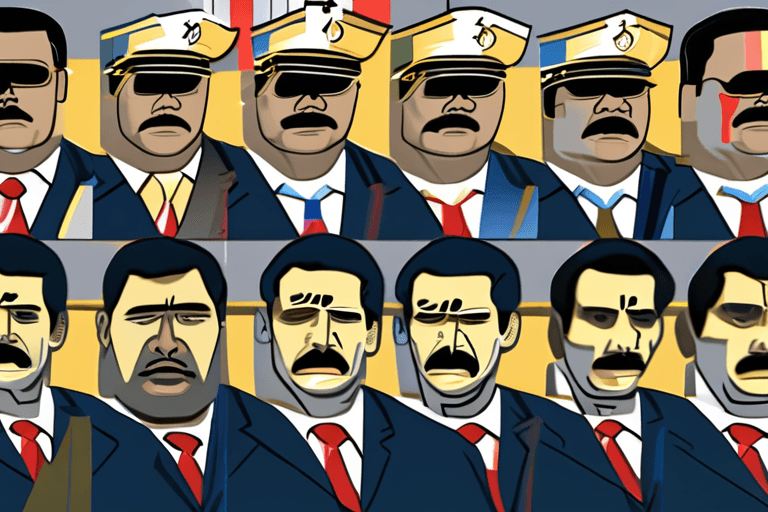
AI-generated images depicting Nicolás Maduro's arrest flooded social media. The fake photos spread rapidly Saturday, showing the Venezuelan president in handcuffs and military custody. Experts believe AI tools created the images. This marks a concerning new development in AI's potential for misinformation.
The images surfaced hours after false reports of Maduro's arrest by U.S. forces. Despite safeguards by major AI image generators against deceptive content and fake images of public figures, the tools produced the images. The specific AI tool used remains unidentified.
The incident highlights the challenge of controlling AI-generated misinformation. Roberta Braga, of the Digital Democracy Institute of the Americas, noted this as a first instance of widespread AI images depicting a supposed real-time event. The rapid spread raises questions about the impact on public perception and trust.
AI image generators employ algorithms to create realistic images from text prompts. While many have policies against misuse, circumventing these safeguards proves possible. This incident underscores the need for improved detection and regulation of AI-generated disinformation.
Expect increased scrutiny of AI image generation platforms. Further investigation into the source and spread of the images is likely. The incident will fuel debate on ethical guidelines and technological solutions to combat AI-driven misinformation.















Discussion
Join the conversation
Be the first to comment