In Ukraine, drone warfare is evolving with the introduction of artificial intelligence, enabling drones to autonomously identify, track, and strike targets. These AI-powered drones represent a significant advancement from traditional remotely piloted systems, raising complex questions about the future of warfare and the role of human control.
A recent operation near Borysivka, a village near the Russian border, highlighted this shift. A Ukrainian drone pilot named Lipa and his navigator, Bober, were tasked with eliminating a Russian drone team that had taken refuge in abandoned warehouses. Previous attempts to strike the location with standard kamikaze drones had failed due to Russian jamming technology, which disrupts the radio communication between the pilot and the drone. Lipa's mission utilized a "Bumblebee" drone, a new type of unmanned aerial vehicle equipped with AI capabilities. This drone was provided by a venture led by Eric Schmidt, former CEO of Google.
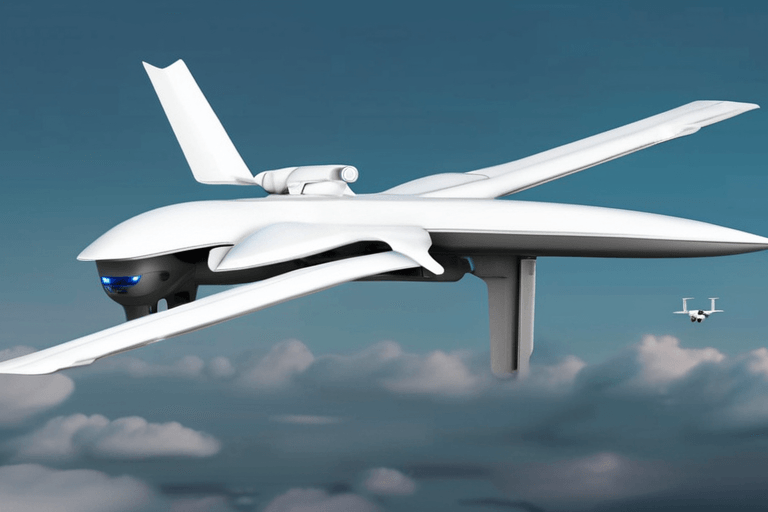
The Bumblebee represents a move towards autonomous weapons systems. While most drones require constant human guidance, these new drones can, once locked onto a target, use AI to independently pursue and engage it, eliminating the need for continuous communication with a human operator. This autonomy makes them less vulnerable to jamming and potentially more effective in combat.
The development and deployment of AI-powered drones in Ukraine has sparked debate about the ethical and strategic implications of such weapons. Proponents argue that these drones can increase precision, reduce civilian casualties, and provide a crucial advantage on the battlefield. Critics, however, express concerns about the potential for unintended consequences, the erosion of human control over lethal force, and the risk of escalation.
"The speed at which these technologies are being developed and deployed is unprecedented," said Dr. Paul Scharre, a technology and foreign policy expert at the Center for a New American Security. "We need to have a serious conversation about the rules of the road for AI in warfare before it's too late."
The use of AI in drones also raises questions about accountability. If an autonomous drone makes a mistake and harms civilians, it is unclear who should be held responsible. The programmer? The military commander? Or the drone itself? These are complex legal and moral questions that have yet to be fully addressed.
The situation in Ukraine is serving as a testing ground for these technologies, accelerating their development and deployment. As AI-powered drones become more sophisticated and widespread, it is increasingly important to establish clear ethical guidelines and legal frameworks to govern their use. The future of warfare may well be shaped by the choices made today in Ukraine.


















Discussion
Join the conversation
Be the first to comment