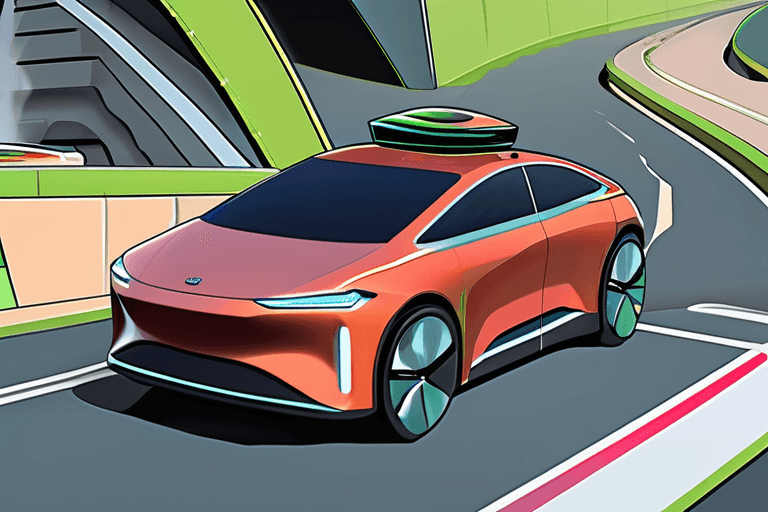
Nvidia announced a new technology platform called Alpamayo for self-driving cars at the CES technology conference in Las Vegas, Nevada. The company, known for its chips that power artificial intelligence, is expanding its focus to incorporate AI into physical products.
According to Nvidia CEO Jensen Huang, Alpamayo is designed to bring "reasoning" to autonomous vehicles, enabling them to navigate complex environments, handle unusual situations, and explain their driving decisions. Huang stated that Nvidia is collaborating with Mercedes-Benz to develop a driverless car powered by Alpamayo, with a planned initial release in the U.S. in the coming months, followed by launches in Europe and Asia.
Nvidia's chips have been instrumental in the advancement of AI, particularly in software applications like ChatGPT. The company's move towards physical AI reflects a broader trend among technology firms to explore hardware applications for artificial intelligence. Huang, in his presentation, suggested that physical AI is experiencing its own "ChatGPT moment," indicating a significant shift in the industry.
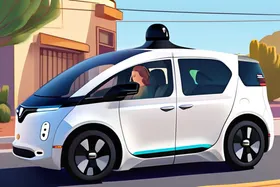
The Alpamayo system aims to improve the safety and reliability of autonomous vehicles by allowing them to better understand and react to their surroundings. This involves processing data from sensors and cameras to make informed decisions in real-time. The ability for the car to explain its actions is intended to build trust and transparency with passengers and other drivers.
The partnership with Mercedes-Benz is a key step in bringing this technology to market. The collaboration will involve integrating Alpamayo into Mercedes-Benz's existing vehicle architecture and developing new features that leverage the platform's capabilities. The initial rollout in the U.S. will provide valuable data and feedback for further refinement before expanding to other regions.















Discussion
Join the conversation
Be the first to comment