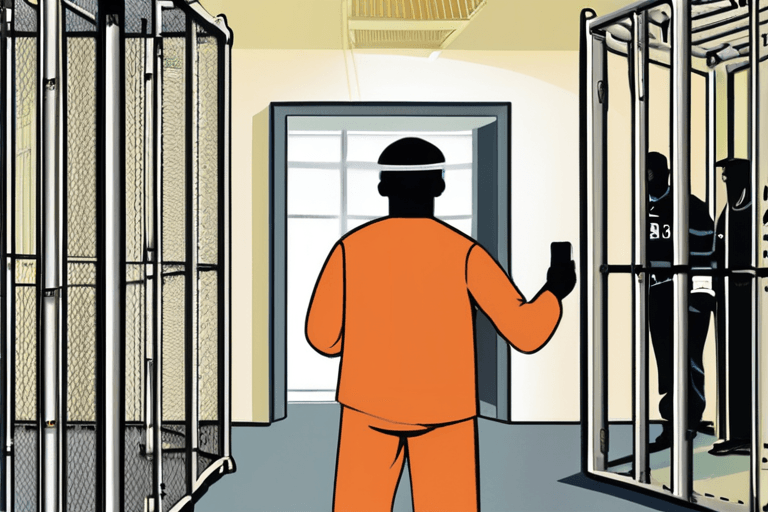
A Federal Communications Commission proposal to allow state and local prisons to jam contraband cell phones is facing opposition from wireless carriers, who argue it would disrupt legal communications. The proposal, supported by Republican attorneys general and prison phone companies, aims to curb illegal activity within correctional facilities.
Wireless lobby group CTIA stated in December 29 comments that jamming would block all communications, including lawful ones such as 911 calls. The CTIA further argued that the FCC lacks the authority to permit such jamming. Members AT&T and Verizon voiced similar concerns in separate comments to the FCC. AT&T argued that the proposed legal framework was based on a "flawed factual premise."
The Communications Act prohibits interference with authorized radio communications. FCC Chairman Brendan Carr's plan attempts to circumvent this by proposing to de-authorize certain communications. Groups dedicated to Wi-Fi and GPS also raised concerns in comments to the FCC.
The debate highlights the tension between security concerns within prisons and the need to maintain reliable communication networks for the public. Proponents of jamming argue that it is a necessary tool to prevent inmates from conducting criminal activity, coordinating escapes, and intimidating witnesses. Opponents contend that the technology is too blunt and would have unintended consequences for law-abiding citizens and emergency services.
The FCC is currently reviewing the comments and considering the next steps in the rulemaking process. The agency must weigh the potential benefits of jamming against the potential risks to public safety and the integrity of the nation's communication infrastructure.

















Discussion
Join the conversation
Be the first to comment