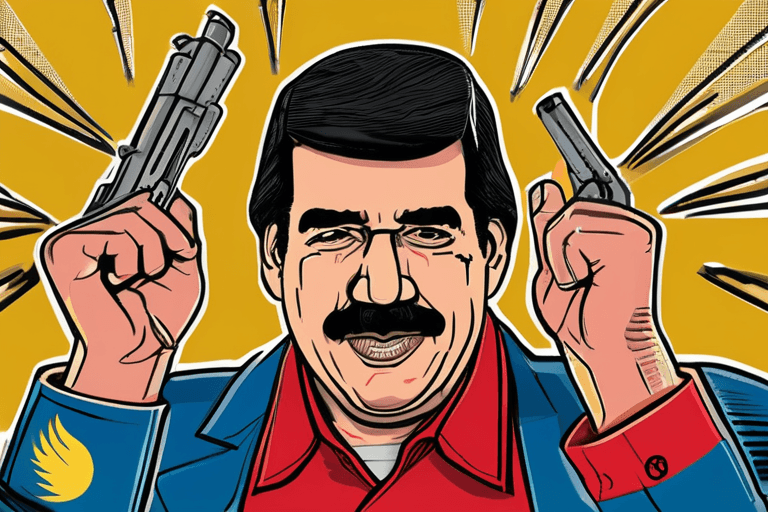
Venezuelan government officials led a large demonstration in Caracas on Tuesday to demand the release of ousted President Nicolás Maduro, while simultaneously cracking down on citizens suspected of celebrating his removal. Security forces have been conducting interrogations at checkpoints, searching passengers' phones on public buses, and seeking evidence of support for Maduro's ouster, according to reports from Venezuelans and human rights organizations.
These actions come four days after the United States assumed control of Venezuela, following President Trump's announcement. Despite the change in leadership, the existing political, security, and intelligence infrastructure that supported Maduro's regime remains largely intact.
At least 14 journalists and six citizens were detained in recent days, though most have since been released. The interim leader, Delcy Rodríguez, who previously served as Maduro's vice president, has not yet issued a public statement addressing the detentions.
The situation presents a complex dynamic, with the U.S. now backing a government accused of suppressing dissent. The dual actions of orchestrating a public show of support for Maduro while simultaneously suppressing perceived dissent highlight the ongoing challenges in Venezuela. Day-to-day life for many Venezuelans has reportedly worsened since the transition.
The U.S. government has not yet commented on the reports of repression, but is expected to release a statement soon. The future political landscape of Venezuela remains uncertain as the U.S. attempts to navigate the existing power structures while addressing concerns about human rights and political freedom.














Discussion
Join the conversation
Be the first to comment