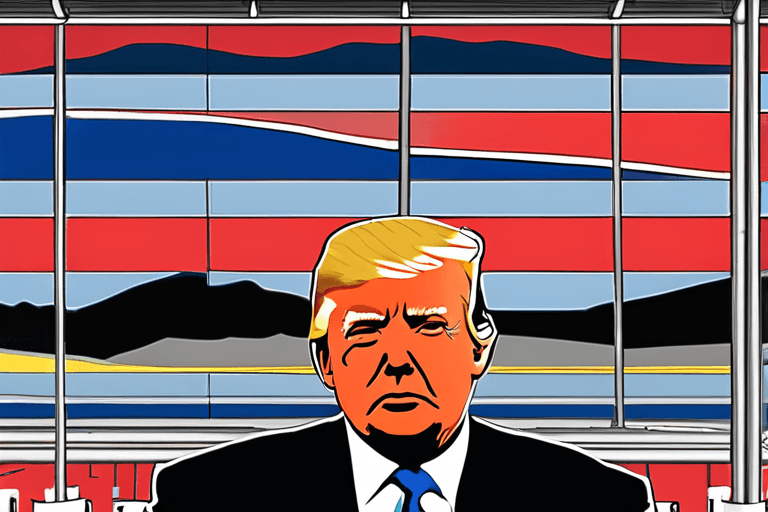
Following a purported military operation aimed at removing President Nicolás Maduro, President Donald Trump stated that Venezuela would be "turning over" up to 50 million barrels of oil to the United States. The announcement raises significant questions about the future of Venezuela's oil industry and its relationship with key global players.
Trump indicated via social media that the oil, valued at approximately $2.8 billion (2.1 billion), would be sold at market prices. He further stated that he would control the generated revenue, allocating it to benefit both the Venezuelan and American people. This declaration follows previous statements where Trump projected a revitalized US oil industry in Venezuela within 18 months, anticipating substantial investments flowing into the country.
However, industry analysts have cautioned that restoring Venezuela's oil output to its former levels could require tens of billions of dollars and potentially a decade of sustained effort. The country's oil infrastructure has suffered from years of underinvestment and mismanagement, leading to a dramatic decline in production.
China, which has been a major purchaser of Venezuelan oil in recent years, has already condemned Trump's announcement. Reports from ABC News, citing unnamed sources, suggest that Trump had pressured Venezuelan representatives to establish an exclusive oil partnership with the US, severing economic ties with China, Russia, Iran, and Cuba. Such a move would fundamentally reshape the global oil market and potentially trigger retaliatory measures from affected nations.
The future of Venezuela's oil industry remains uncertain, contingent on political stability and the willingness of international investors to commit substantial capital. The potential for a US-dominated oil sector in Venezuela could significantly alter the balance of power in the region, but faces considerable challenges, including navigating existing international agreements and addressing the deep-seated issues plaguing Venezuela's oil production capabilities.
















Discussion
Join the conversation
Be the first to comment