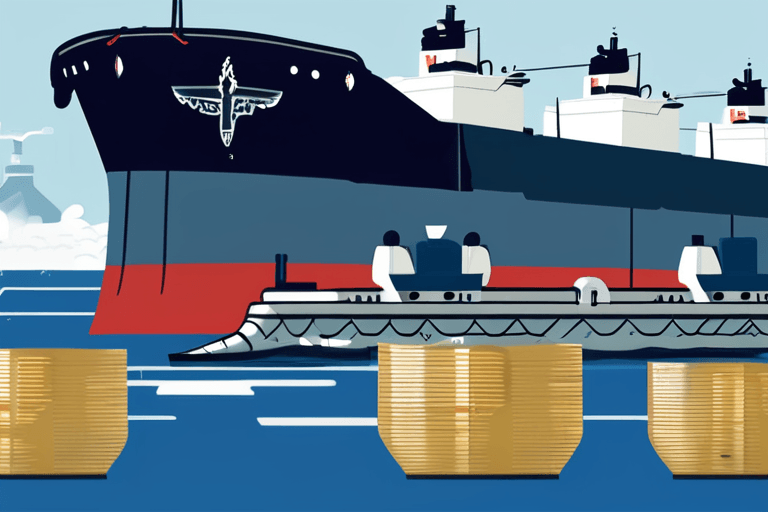
U.S. special forces seized the Russian-flagged oil tanker Marinera, formerly known as Bella-1, in the North Atlantic on Wednesday, citing violations of U.S. sanctions related to Venezuelan oil. The operation, which followed a weeks-long pursuit, drew immediate condemnation from Moscow.
U.S. European Command confirmed the seizure, stating that the vessel was targeted due to its involvement in circumventing sanctions imposed on Venezuelan oil exports. The U.S. has maintained a maritime blockade aimed at preventing the trade of sanctioned Venezuelan oil.
The seizure underscores the U.S. government's commitment to enforcing sanctions against Venezuela's oil industry, a critical sector for the country's economy. Venezuela's oil production has been significantly hampered by sanctions and underinvestment, with output hovering around 700,000 barrels per day, a fraction of its historical peak of over 3 million barrels per day.
"The blockade of sanctioned and illicit Venezuelan oil remains in FULL EFFECT anywhere in the world," U.S. Defense Secretary Pete Hegseth stated on social media, emphasizing the administration's resolve.
The Marinera's previous name, Bella-1, and its location in the Singapore Strait in March 2025, suggest a history of attempting to obscure its activities. The tanker's ownership and financial beneficiaries are currently under investigation by U.S. authorities.
The incident is likely to further strain relations between the U.S. and Russia, already tense due to various geopolitical issues. The seizure could also impact the global oil market, albeit marginally, by disrupting the supply of Venezuelan crude. Analysts will be closely watching for any retaliatory measures from Russia and the potential impact on oil prices. The U.S. government has not yet disclosed the final destination of the seized oil or the legal proceedings that will follow.

















Discussion
Join the conversation
Be the first to comment