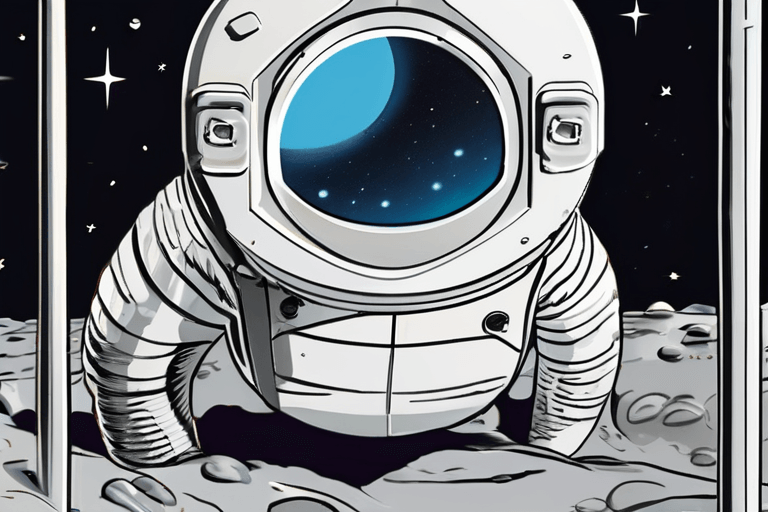
Astronauts are training for a lunar mission, potentially launching in the coming months, marking the first such endeavor in over 54 years. NASA, SpaceX, Blue Origin, and other companies are preparing for significant advancements toward human lunar landings, possibly within the next few years. The year 2026 is expected to see the debut of new rockets and offer scientists novel perspectives on the universe.
These developments follow a year marked by a record number of space launches, stunning images from other planets, and both significant achievements and setbacks in the space industry. Among the most anticipated missions is Artemis II, with final preparations underway at NASA’s Kennedy Space Center in Florida. The mission is a key step in the broader Artemis program, which aims to establish a sustainable presence on the Moon.
The Artemis program is significant not only for its scientific goals but also for its potential to drive innovation in areas such as robotics, materials science, and artificial intelligence. AI is expected to play a crucial role in various aspects of the mission, from autonomous navigation and resource management to data analysis and decision-making. For example, AI algorithms could be used to optimize the use of lunar resources, such as water ice, for propellant production or life support.
The success of these missions is not guaranteed, and various factors could affect their timelines and outcomes. Technical challenges, funding constraints, and geopolitical considerations could all play a role. However, the current level of investment and activity in the space sector suggests that 2026 will be a pivotal year for space exploration.



















Discussion
Join the conversation
Be the first to comment