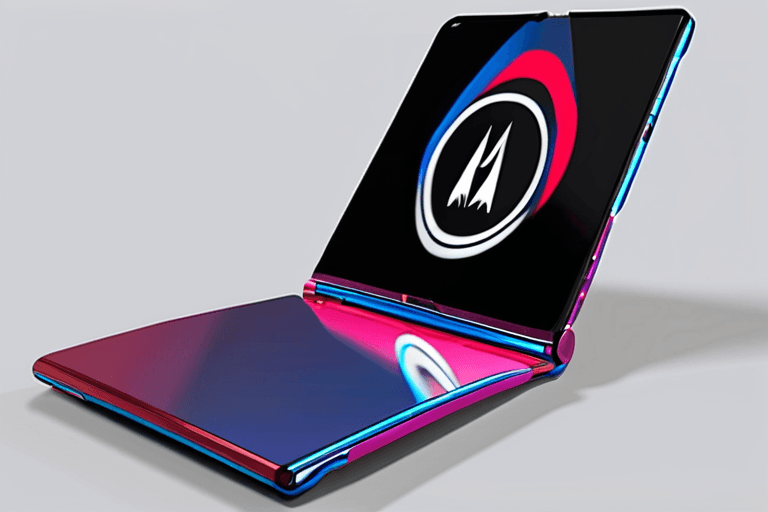
The Razr Fold, similar in design to Samsung's Galaxy Z Fold and Google's Pixel Fold, features a 6.6-inch external display and an 8.1-inch internal foldable OLED panel with a 2K resolution. While Motorola showcased the device, key details such as pricing remain undisclosed. The company is aiming for a summer release but has not confirmed an exact date or cost.
Motorola's move into the book-style foldable market signifies the increasing competition and innovation within the foldable smartphone sector. The company's previous success with the flip-style Razr demonstrates its ability to adapt classic designs to modern technology. The Razr Fold's specifications align with existing large foldable phones, suggesting a focus on providing a comparable user experience.
The development of foldable phones involves complex engineering and materials science, requiring manufacturers to create durable and flexible displays and hinges. The integration of artificial intelligence (AI) plays a role in optimizing the user interface and managing power consumption on these devices. AI algorithms can adapt the display settings and app behavior based on how the phone is being used, enhancing the overall user experience.
The launch of the Razr Fold this summer will provide consumers with another option in the growing market for large foldable smartphones. As the technology matures, prices are expected to become more competitive, making foldable devices more accessible to a wider range of consumers. Motorola's entry into this market could further drive innovation and competition, leading to advancements in display technology, hinge design, and software optimization.
















Discussion
Join the conversation
Be the first to comment