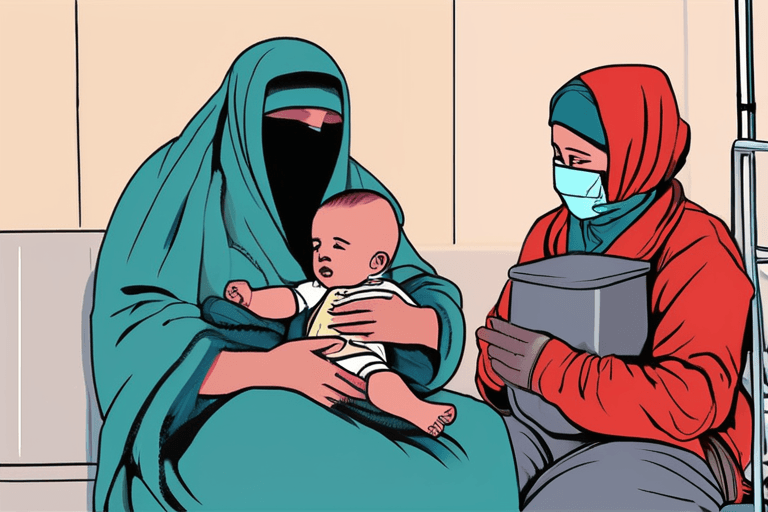
Palestinian babies in Gaza are suffering from severe cold due to inadequate shelter, Doctors Without Borders (MSF) reported on Wednesday, as Israel continues to restrict the entry of essential supplies into the region. The humanitarian organization highlighted the dire conditions faced by displaced families living in makeshift shelters amidst freezing winter temperatures.
MSF stated in a social media post that people are enduring torrential rain and heavy winds while residing in these temporary shelters. The organization also noted a rise in respiratory infections, skin diseases, and other health problems among Palestinians in the Gaza Strip.
Israel's ongoing restrictions on the entry of vital supplies, including tents, tarpaulins, and temporary housing materials, are exacerbating the crisis, according to humanitarian groups. These restrictions, intended to prevent the entry of materials that could be used for military purposes by Hamas, are having a significant impact on the civilian population, particularly vulnerable groups such as children.
The situation underscores the challenges of balancing security concerns with humanitarian needs in conflict zones. International law mandates that occupying powers ensure the basic needs of the civilian population are met, including access to adequate shelter, food, and medical care.
The United Nations and other international organizations have repeatedly called on Israel to ease restrictions on the entry of humanitarian aid into Gaza. These organizations argue that the current restrictions are unsustainable and are contributing to a deterioration of the humanitarian situation.
The Kerem Shalom and Erez crossings are the primary points of entry for goods into Gaza. While some aid is allowed through, humanitarian organizations say the volume is insufficient to meet the growing needs of the population. The delays and restrictions imposed on the entry of goods further compound the problem.
The current situation reflects a complex interplay of geopolitical factors, security concerns, and humanitarian imperatives. Finding a sustainable solution that addresses the needs of all parties involved remains a significant challenge. The next developments will likely involve continued diplomatic efforts to negotiate a ceasefire and ease restrictions on the entry of humanitarian aid.

















Discussion
Join the conversation
Be the first to comment