Nvidia unveiled a new technology platform, Alpamayo, designed for self-driving cars at the annual CES technology conference in Las Vegas. The announcement signals the chipmaker's strategic push to integrate artificial intelligence into physical products.
According to Nvidia CEO Jensen Huang, the Alpamayo system will equip autonomous vehicles with advanced reasoning capabilities. This will enable them to navigate complex environments, make informed driving decisions in unusual situations, and provide explanations for their actions. Huang stated that the technology would bring "reasoning" to autonomous vehicles, allowing them to "think through rare scenarios, drive safely in complex environments, and explain their driving decisions."
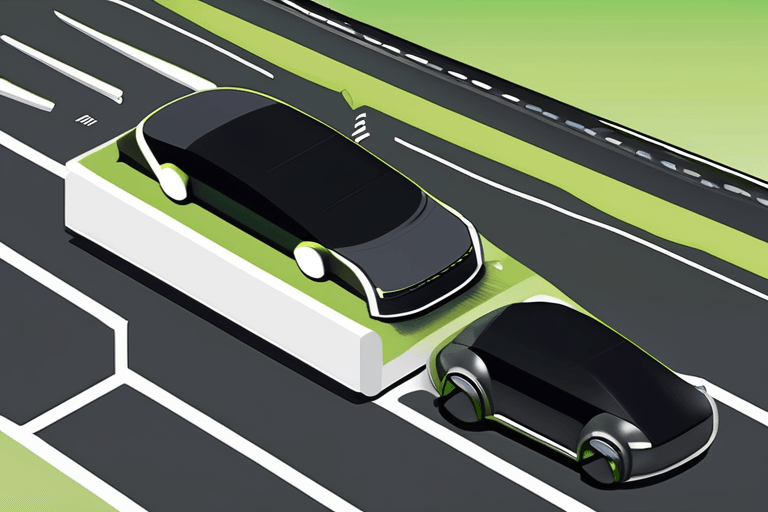
Nvidia is collaborating with Mercedes-Benz to develop a driverless car powered by Alpamayo. The vehicle is slated for release in the United States in the coming months, followed by launches in Europe and Asia.
Nvidia's core business has been in chips that power AI software, including applications like ChatGPT. The company's move into self-driving car technology reflects a broader industry trend among leading tech firms to explore hardware applications for AI. The company views this as a "ChatGPT moment" for physical AI.
The Alpamayo platform represents a significant advancement in autonomous vehicle technology. It aims to address the challenges of creating self-driving systems that can handle the complexities and uncertainties of real-world driving scenarios. The ability for a car to explain its driving decisions is a key feature, potentially increasing trust and acceptance of autonomous vehicles.
The development of Alpamayo is part of Nvidia's broader strategy to expand its presence in the automotive industry. The company already provides chips and software for various automotive applications, including infotainment systems and advanced driver-assistance systems (ADAS). The new platform positions Nvidia as a key player in the future of autonomous driving.
















Discussion
Join the conversation
Be the first to comment