A single gunshot in Minneapolis has ignited a firestorm of controversy, blurring the lines between law enforcement, immigration policy, and political rhetoric. Renee Good, a 37-year-old woman, became the tragic focal point of this debate after being fatally shot by an Immigration and Customs Enforcement (ICE) agent during the first day of immigration raids in the city. The aftermath has seen Democrats and local officials vehemently criticizing the Trump administration's justification for the shooting, demanding a thorough investigation into the incident.
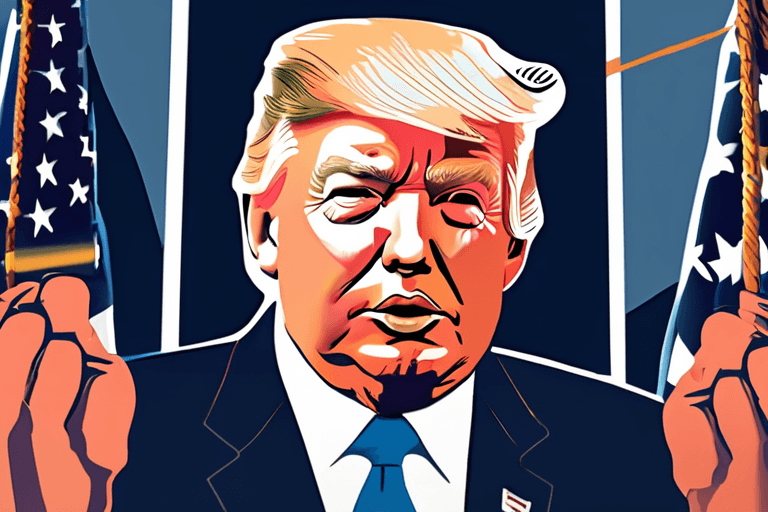
The situation escalated rapidly after Homeland Security Secretary Kristi Noem labeled Good's actions – driving a car away from ICE agents, as captured in bystander footage – as an act of "domestic terrorism." President Trump further fueled the flames by calling Good a "professional agitator." These characterizations were met with swift and sharp rebuke from Minnesota's elected officials. Governor Tim Walz and Minneapolis Mayor Jacob Frey condemned the Trump administration's response as "propaganda" and called for ICE to withdraw from the city.
The core of the Democrats' criticism lies in what they perceive as a dangerous precedent: the justification of lethal force based on subjective interpretations of intent and potential threat. They argue that labeling a citizen's actions as "domestic terrorism" without due process or clear evidence sets a chilling precedent, potentially eroding civil liberties and paving the way for the disproportionate use of force. This raises fundamental questions about the role of law enforcement in a democratic society and the balance between national security and individual rights.
The incident also highlights the growing tensions surrounding immigration enforcement policies in the United States. The Trump administration's hardline stance on immigration has been met with resistance from many cities and states, leading to clashes over jurisdiction and the treatment of undocumented immigrants. The death of Renee Good has become a symbol of this conflict, galvanizing activists and sparking widespread protests. Thousands gathered in Minneapolis, New York City, and Chicago to hold vigils and demonstrations in her memory, underscoring the deep divisions within the country on immigration issues.
The political fallout extends beyond the immediate condemnation of the shooting. The incident has reignited the debate over the federal government's budget priorities. Trump's proposal to increase the defense department's budget to a record $1.5 trillion by 2027, citing "troubled and dangerous times," has drawn criticism from those who argue that resources should be directed towards social programs and addressing the root causes of immigration. The proposed 66% increase over the current $900 billion budget authorization for the Pentagon has been framed by some as a misallocation of resources, particularly in light of the ongoing controversy surrounding ICE's actions.
Furthermore, the situation is complicated by unrelated geopolitical factors. Trump's declaration that Venezuela will send the US between 30 million and 50 million barrels of oil adds another layer of complexity, raising questions about the administration's foreign policy objectives and their potential impact on domestic issues.
The death of Renee Good serves as a stark reminder of the human cost of political rhetoric and policy decisions. As investigations into the shooting unfold, the nation grapples with fundamental questions about justice, accountability, and the future of immigration enforcement in the United States. The events in Minneapolis have triggered a national conversation that will likely continue to shape the political landscape for years to come.

















Discussion
Join the conversation
Be the first to comment