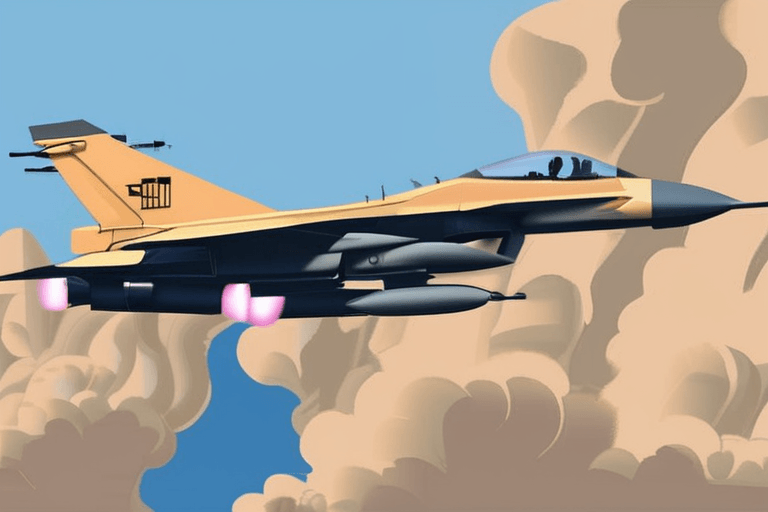
Two weeks after the United States conducted airstrikes in northwest Nigeria on Christmas Day 2025, uncertainty persists regarding the specific targets and the overall effect of the operation. The strikes, carried out in Sokoto state, were described by the U.S. as targeting Islamic State fighters, but details remain scarce.
The operation was coordinated with the Nigerian government and aimed at an Islamist group known as Lakurawa, according to sources familiar with the matter. This group is known for extorting the predominantly Muslim local population and enforcing a rigid interpretation of Sharia law, which includes punishments such as lashing for activities like listening to music. Neither the U.S. nor Nigeria has released extensive information about the intelligence used to select the targets or a comprehensive assessment of the strikes' impact.
Former U.S. President Donald Trump posted on his Truth Social platform that the strikes targeted "ISIS Terrorist Scum in Northwest Nigeria, who have been targeting and viciously killing, primarily, innocent Christians." This statement has fueled debate about the specific rationale behind the operation and whether it was primarily intended to protect Christian communities, a claim that has not been independently verified.
The lack of transparency surrounding the airstrikes raises questions about the role of artificial intelligence in target selection and the potential for algorithmic bias. AI systems are increasingly used in military operations for tasks such as identifying potential targets, assessing risk, and predicting enemy movements. However, these systems are only as accurate as the data they are trained on, and biases in the data can lead to discriminatory or unintended outcomes.
"The use of AI in military operations is a double-edged sword," said Dr. Aisha Bello, a professor of AI ethics at the University of Lagos. "While AI can improve efficiency and reduce human error, it also raises concerns about accountability and the potential for unintended consequences. It is crucial that these systems are developed and deployed responsibly, with careful consideration of ethical implications."
The situation highlights the growing need for international standards and regulations governing the use of AI in warfare. As AI becomes more prevalent in military decision-making, it is essential to ensure that these systems are used in accordance with international law and ethical principles. The lack of information about the Nigerian airstrikes underscores the importance of transparency and accountability in the use of AI in military operations. Further developments are expected as human rights organizations and international bodies call for greater clarity on the targeting process and the impact on civilian populations.

















Discussion
Join the conversation
Be the first to comment