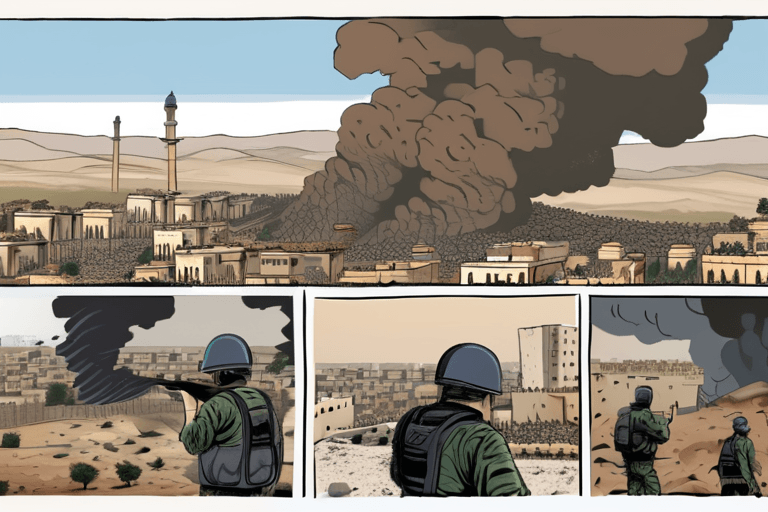
Civilians were fleeing northern Aleppo neighborhoods in large numbers as fighting intensified between the Kurdish-led Syrian Democratic Forces (SDF) and the Syrian military following the collapse of integration talks. Estimates of the number of evacuees varied, with some sources placing the figure at over 100,000, according to a report published on January 8, 2026.
The escalation in conflict stemmed from disagreements over the integration of SDF forces into the Syrian Arab Army, a process intended to stabilize the region and consolidate government control. The breakdown in negotiations centered on issues of autonomy for Kurdish regions and the command structure of integrated forces. The SDF sought guarantees of self-governance and a degree of independent command, while the Syrian government insisted on full integration under central authority.
The mass displacement is creating a humanitarian crisis, with aid organizations struggling to provide shelter, food, and medical assistance to the evacuees. The United Nations High Commissioner for Refugees (UNHCR) reported that it was working with local partners to establish temporary camps and provide emergency relief. "The scale of the displacement is overwhelming, and we are doing everything we can to assist those who have been forced to flee their homes," said UNHCR spokesperson, Aisha Hassan, in a released statement.
The fighting is also disrupting essential infrastructure, including water and electricity supplies, further exacerbating the humanitarian situation. The Syrian government blamed the SDF for initiating the renewed hostilities, accusing them of violating ceasefire agreements. The SDF, in turn, accused the Syrian military of launching unprovoked attacks on SDF-held positions.
The conflict in northern Aleppo has significant implications for the broader Syrian civil war and the regional balance of power. The SDF, backed by the United States, has been a key player in the fight against ISIS, while the Syrian government, supported by Russia and Iran, seeks to reassert control over all of Syria. The renewed fighting threatens to undermine efforts to achieve a lasting peace settlement and could lead to further instability in the region.
Analysts suggest that the breakdown in integration talks was also influenced by external actors, with some accusing Turkey of encouraging the Syrian government to take a harder line against the SDF. Turkey views the SDF as an extension of the Kurdistan Workers' Party (PKK), a Kurdish militant group that has been fighting the Turkish state for decades.
As of January 8, 2026, fighting was ongoing in several northern Aleppo neighborhoods, and there was no immediate prospect of a ceasefire. International efforts to mediate a resolution to the conflict were continuing, but the prospects for success remained uncertain. The United Nations Security Council was scheduled to hold an emergency meeting to discuss the situation in Aleppo and consider further measures to address the humanitarian crisis.



















Discussion
Join the conversation
Be the first to comment