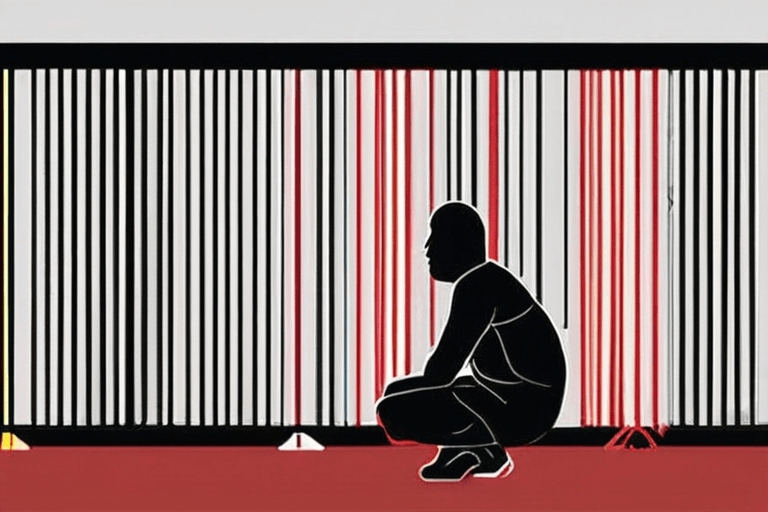
Venezuela's government began releasing political prisoners from two well-known prisons Thursday, marking the first apparent sign of change from the new administration since the United States took President Nicolás Maduro into custody and asserted control over the country. Jorge Rodríguez, head of Venezuela's National Assembly and brother of interim leader Delcy Rodríguez, announced the releases but did not specify the exact number of individuals who would be freed. He stated that the group would include both Venezuelan citizens and foreign nationals.
"Consider this gesture from the Bolivarian government made with sincere intentions toward peace as the contribution we all must make so that our republic can continue living peacefully and striving for prosperity," Rodríguez said, employing a term used by the government to honor Simón Bolívar, Venezuela's independence leader.
As of Thursday evening, seven prisoners had been confirmed released. Among the first to be freed was Rocío San Miguel, a prominent Venezuelan security expert who had investigated the country's authoritarian government until her detention in February 2024. San Miguel holds dual Venezuelan and Spanish citizenship.
The releases come at a time of heightened political tension in Venezuela, a nation grappling with a long-standing economic crisis and accusations of human rights abuses under Maduro's leadership. The United States' recent intervention has further complicated the situation, drawing condemnation from some international actors who view it as a violation of Venezuelan sovereignty. The term "Bolivarian" itself is significant, referencing a political ideology rooted in the ideals of Simón Bolívar, who fought for independence from Spanish rule in the early 19th century. This ideology has been a cornerstone of Venezuelan politics for decades, particularly under the leadership of Hugo Chávez and subsequently Maduro.
The international community is closely watching the developments in Venezuela. The United Nations and various human rights organizations have repeatedly called for the release of political prisoners and for free and fair elections. The European Union has also imposed sanctions on Venezuelan officials accused of human rights violations and undermining democracy. The releases could be interpreted as an attempt by the interim government to ease international pressure and demonstrate a commitment to reform. However, skepticism remains given the country's history of political repression.
The long-term impact of these releases remains uncertain. The number of political prisoners in Venezuela has fluctuated over the years, with human rights groups estimating that hundreds remain in detention. The future of Venezuela's political landscape hinges on whether this gesture signals a genuine shift toward greater openness and respect for human rights, or simply a tactical maneuver in a complex power struggle. The next steps by both the interim government and the United States will be crucial in determining the country's trajectory.
















Discussion
Join the conversation
Be the first to comment