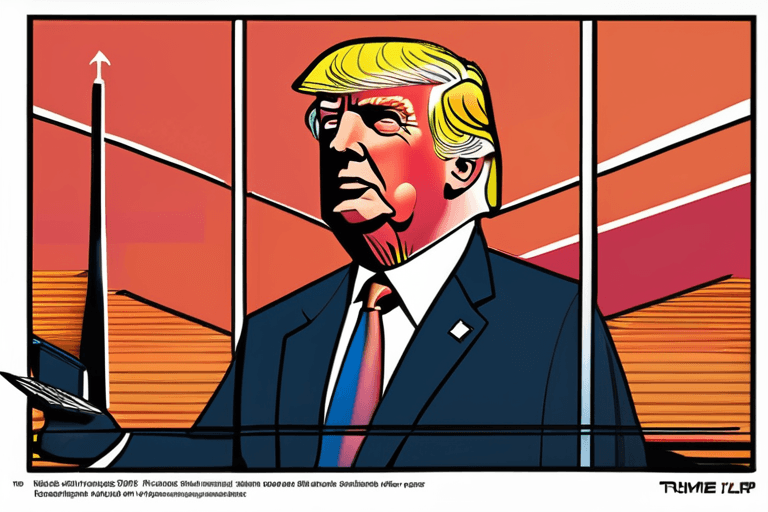
President Trump's vision for the U.S. to exert greater control over Venezuela's oil industry presents a complex challenge with potential ramifications for both American energy producers and consumers. The plan, aimed at driving oil prices down to $50 a barrel by tapping into Venezuela's vast petroleum reserves, could create a surplus in the global oil market.
This influx of new supply could lower costs for consumers, a move that aligns with traditional economic principles of supply and demand. However, it simultaneously poses a threat to the profitability of domestic shale producers in the U.S., who require higher prices to maintain their viability. These shale producers have become a significant component of the American energy landscape in recent years.
To incentivize U.S. companies to rebuild Venezuela's deteriorated oil infrastructure, the administration might need to offer federal subsidies or revenue guarantees. This potential government intervention raises questions about market distortion and the long-term economic consequences of such policies.
The situation highlights a potential conflict between short-term consumer benefits and the long-term health of the domestic energy industry. Some analysts suggest that Washington could inadvertently devalue oil, hurting its homegrown industry while simultaneously footing the bill to expand production abroad. The exact mechanisms and financial implications of these potential subsidies are still under discussion.
The administration's approach to Venezuela's oil industry is unfolding against a backdrop of political instability and economic crisis in the South American nation. The U.S. has long sought to influence the political and economic trajectory of Venezuela, and control over its oil resources has been a recurring theme in U.S. foreign policy.
The potential for increased U.S. involvement in Venezuela's oil sector raises questions about sovereignty, resource control, and the ethical implications of foreign intervention. The long-term consequences of this policy remain to be seen, and its success will depend on a complex interplay of economic, political, and geopolitical factors.

















Discussion
Join the conversation
Be the first to comment