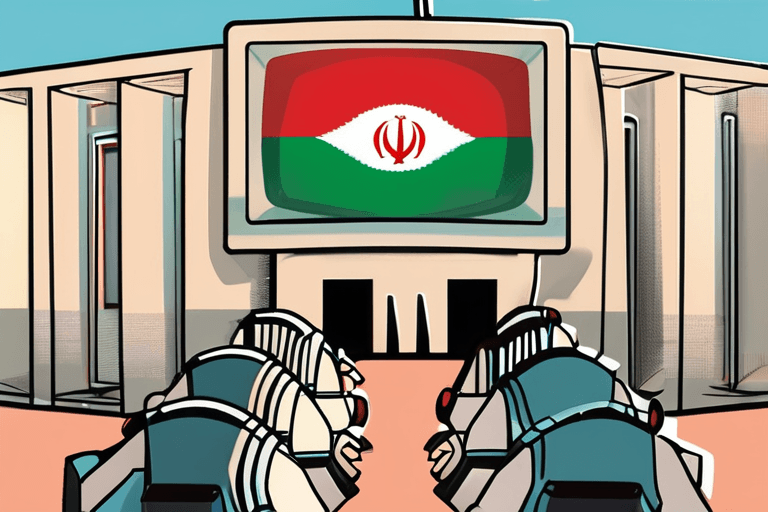
A digital iron curtain slammed down on Iran Thursday, silencing the nation as protests demanding regime change erupted in cities across the country. The internet blackout, confirmed by monitoring groups, arrived on the heels of threats from Iran's judiciary and security services promising harsh crackdowns on dissent. But the threats, like the digital darkness, failed to quell the rising tide of discontent.
From Tehran to Mashhad, Bushehr to Isfahan, witnesses described swelling crowds defying the government's iron fist. "Death to Khamenei," the crowds roared, one Tehran resident reported, the chants echoing through the Shahrak Gharb neighborhood, a district previously untouched by the unrest. The voices, a mix of men and women, young and old, united in their call for freedom.
The Iranian government's response – a near-total internet shutdown – highlights a growing trend in authoritarian regimes: weaponizing control over information. This digital censorship relies on sophisticated technologies, including deep packet inspection (DPI), which allows authorities to analyze and filter internet traffic, blocking access to specific websites, social media platforms, and even keywords within encrypted communications. DPI acts like a digital sieve, sifting through the torrent of online data to isolate and suppress dissenting voices.
The implications of such widespread internet shutdowns extend far beyond the immediate suppression of protests. In today's interconnected world, access to the internet is crucial for economic activity, education, and healthcare. Cutting off a nation's access to the digital realm cripples its ability to function, isolating it from the global community and hindering its development.
"Internet shutdowns are a blunt instrument of repression," says Dr. Evelyn Douek, a professor at Harvard Law School specializing in online speech regulation. "They not only silence dissent but also disrupt essential services and damage the economy. The Iranian government's actions demonstrate a clear disregard for the fundamental rights of its citizens."
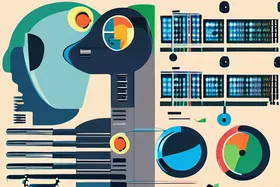
The use of AI in censorship is also becoming increasingly prevalent. Machine learning algorithms can be trained to identify and flag content deemed undesirable by the government, automating the process of censorship and making it more efficient. These algorithms can analyze text, images, and videos, identifying patterns and keywords associated with dissent, and automatically removing or blocking access to such content.
The Iranian government's actions raise serious questions about the future of internet freedom and the role of technology in authoritarian control. As AI-powered censorship tools become more sophisticated, the challenge of circumventing these restrictions and ensuring access to information becomes increasingly difficult. The events in Iran serve as a stark reminder of the importance of protecting internet freedom and promoting digital literacy to counter the spread of disinformation and censorship.
The long-term consequences of Iran's internet blackout remain to be seen. However, one thing is clear: the government's attempt to silence dissent has only amplified the voices of those demanding change. The digital iron curtain may have temporarily cut off Iran from the world, but it has also exposed the regime's fear of its own people. As one protester defiantly stated before the internet went dark, "They can shut down the internet, but they can't shut down our spirit."














Discussion
Join the conversation
Be the first to comment