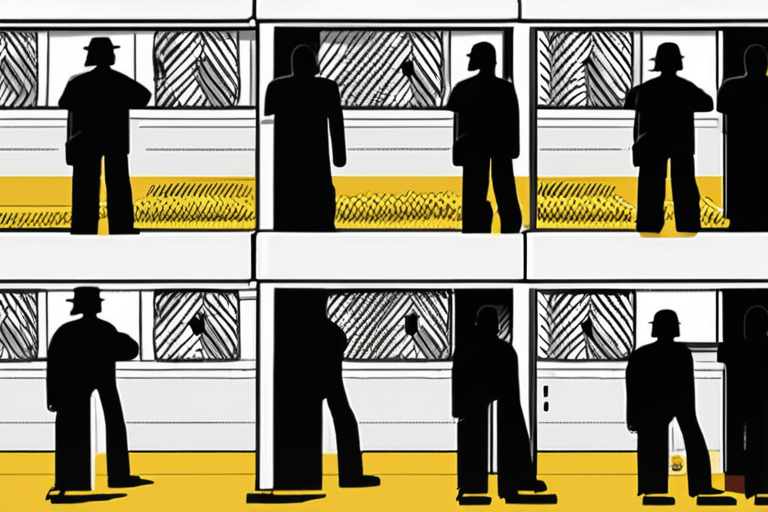
Venezuela's government began releasing political prisoners from two well-known prisons on Thursday, marking the first apparent sign of change from the new administration since the United States took President Nicolás Maduro into custody and asserted control over the country. Jorge Rodríguez, head of Venezuela's National Assembly and brother of interim leader Delcy Rodríguez, announced the releases but did not specify the exact number of individuals who would be freed. He stated that the group would include both Venezuelan and foreign nationals.
"Consider this gesture from the Bolivarian government made with sincere intentions toward peace as the contribution we all must make so that our republic can continue living peacefully and striving for prosperity," Rodríguez said, using a term referencing Simón Bolívar, Venezuela's independence leader, to describe the government.
As of Thursday evening, seven prisoners had been confirmed released. Among the first to be freed was Rocío San Miguel, a prominent Venezuelan security expert who had investigated the country's government until her detention in February 2024. San Miguel holds dual Venezuelan and Spanish citizenship.
The releases come at a time of heightened political tension in Venezuela, a nation that has faced years of economic hardship, political instability, and international scrutiny regarding its human rights record. The term "political prisoner" is often applied to individuals detained for reasons related to their political beliefs, affiliations, or activities, and their release is frequently seen as a measure of a government's willingness to engage in dialogue and reform.
Venezuela has been in a state of political crisis for years, exacerbated by disputed presidential elections, hyperinflation, and shortages of basic goods. The United Nations and various international human rights organizations have repeatedly expressed concerns about the erosion of democratic institutions and the suppression of dissent in the country. The capture of President Maduro by the United States represents a significant escalation of the ongoing crisis and has further complicated the political landscape.
The releases could be interpreted as an attempt by the interim government to demonstrate goodwill and potentially open avenues for negotiation with both domestic opposition groups and the international community. However, the true extent and impact of these releases remain to be seen. The international community will likely be watching closely to assess whether this gesture represents a genuine shift toward greater political openness and respect for human rights in Venezuela.

















Discussion
Join the conversation
Be the first to comment