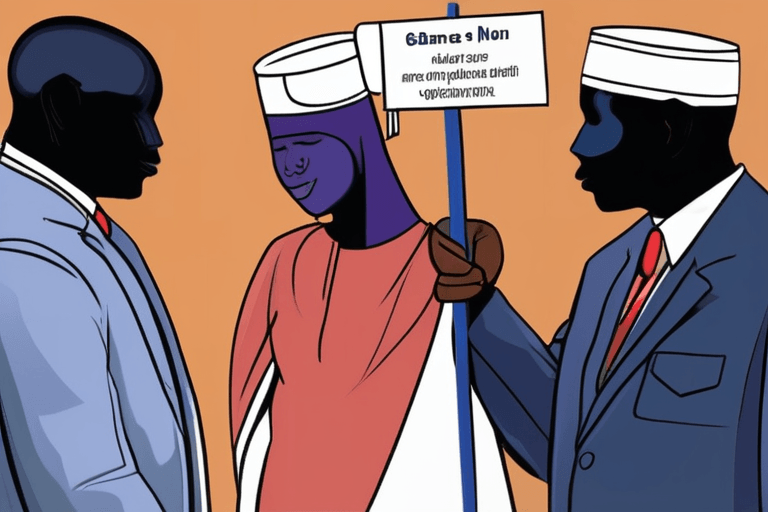
The court case resumed this month amidst heightened tensions, particularly after two infants died last year from complications related to FGM. Almameh Gibba, the MP involved in the challenge, previously introduced a bill to parliament seeking to decriminalize FGM, but it was defeated.
FGM, which involves altering or injuring the female genitalia for non-medical reasons, is a deeply rooted cultural practice in many parts of Africa, Asia, and the Middle East. According to UNICEF, The Gambia has one of the highest rates of FGM in the world, with almost 75% of women having undergone the procedure, often during infancy. The practice is internationally recognized as a violation of human rights, causing significant physical and psychological harm.
The World Health Organization (WHO) states that FGM has no health benefits and can lead to severe complications, including chronic pain, infections, infertility, and even death. The United Nations has called for the elimination of FGM worldwide by 2030 as part of its Sustainable Development Goals.
Fatou Baldeh, founder of the Gambian rights organization Women in Liberation Leadership, sees the legal challenge as a worrying trend. "This is not just about The Gambia," Baldeh said. "We are seeing a global backlash against women's rights, and this case is a clear example of that."
The push to overturn the ban in The Gambia reflects a complex interplay of cultural traditions, religious beliefs, and human rights concerns. Supporters of FGM often argue that it is a necessary rite of passage and a way to preserve cultural identity and ensure a girl's marriageability. Opponents, however, emphasize the severe health risks and the violation of women's bodily autonomy.
The supreme court's decision will have significant implications for the future of women's rights in The Gambia and could potentially influence similar debates in other countries where FGM remains prevalent. The case is ongoing, and the court is expected to deliver its ruling in the coming weeks.
















Discussion
Join the conversation
Be the first to comment