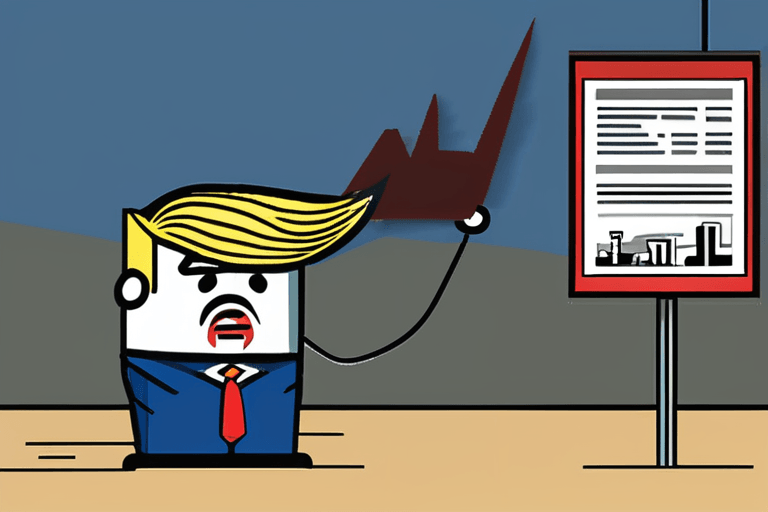
U.S. President Donald Trump claimed the United States is receiving full cooperation from Venezuela's interim administration and will control the country and its oil reserves for years to come, according to an interview with the New York Times. Trump stated that Caracas is giving Washington "everything that we feel is necessary" and that the U.S. would remain a political overlord there for an indefinite period.
Trump added, "We will rebuild it in a very profitable way," and emphasized, "We’re going to be using oil, and we’re going to be taking oil." When questioned about the duration of the White House's direct oversight of Venezuela, Trump responded, "I would say much longer" than a year.
These comments followed interim president Delcy Rodríguez's defense of plans to open up Venezuela's oil market. The situation raises complex questions about international relations, resource control, and the role of external actors in sovereign nations.
The concept of "control" in this context is multifaceted. It could refer to political influence, economic leverage through control of oil revenues, or direct operational involvement in the Venezuelan oil industry. The U.S. has a history of intervening in Latin American countries, particularly concerning resource extraction, which adds historical context to Trump's statements.
Venezuela possesses the world's largest proven oil reserves, but its oil production has plummeted in recent years due to mismanagement, corruption, and U.S. sanctions. The U.S. sanctions were designed to pressure the Maduro regime, but they have also exacerbated the country's economic crisis.
The implications of the U.S. controlling Venezuela's oil are significant. It could lead to increased U.S. influence in the region, potentially reshaping geopolitical dynamics. It could also impact global oil prices and supply chains. However, such control would likely face resistance from within Venezuela and from other international actors who view it as a violation of sovereignty.
The current status of U.S.-Venezuela relations remains tense. While Trump claims full cooperation, the reality on the ground is likely more complex. The future of Venezuela's oil industry and its relationship with the U.S. will depend on a variety of factors, including political developments within Venezuela, international pressure, and the evolving dynamics of the global oil market. The next steps will likely involve further negotiations and maneuvering between the U.S. and Venezuelan factions, as well as engagement with other countries and international organizations.
















Discussion
Join the conversation
Be the first to comment