Internet access in Iran was severely restricted as protests escalated, a move described by experts as a familiar tactic employed by the nation's leadership to suppress dissent. Sina Azodi, a professor of Middle East Politics at George Washington University, stated that these internet shutdowns are a "classic ploy" used to silence voices critical of the government, particularly those of women who are at the forefront of the demonstrations.
The internet restrictions, implemented on January 9, 2026, hampered the ability of Iranian citizens to organize, share information, and document alleged human rights abuses. Women, who have been instrumental in leading and participating in the protests sparked by economic grievances and social restrictions, faced increased challenges in coordinating their efforts and amplifying their demands for greater freedom and equality.
Azodi explained that the Iranian government has a history of employing internet shutdowns during periods of unrest. "They understand the power of social media and online communication in mobilizing dissent," he said. "By cutting off access, they aim to control the narrative and isolate protesters from each other and the outside world."
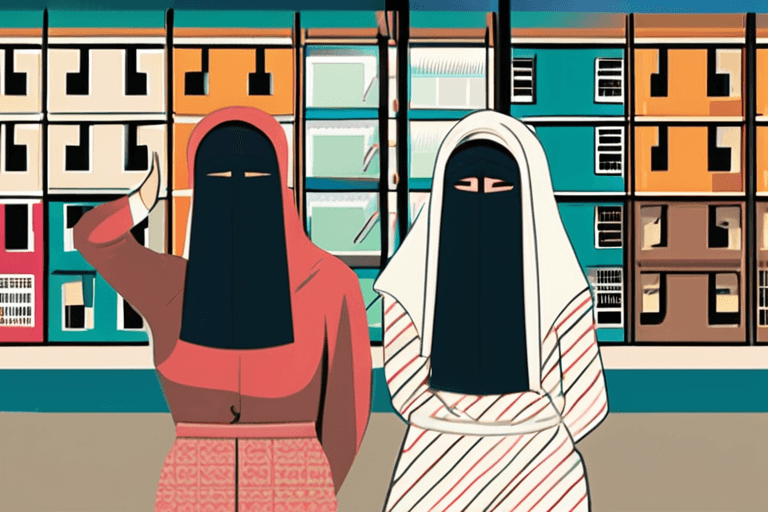
The current wave of protests in Iran has seen significant participation from women across various socioeconomic backgrounds. These women are demanding greater autonomy over their bodies, an end to discriminatory laws, and increased opportunities in education and employment. The internet shutdowns disproportionately affect women, limiting their ability to access vital information, connect with support networks, and participate in the global conversation about women's rights.
The international community has condemned the internet restrictions, with many human rights organizations calling on the Iranian government to restore full internet access and respect the rights of its citizens to freedom of expression and assembly. The United Nations has also expressed concern about the situation, urging Iranian authorities to exercise restraint and ensure the safety of protesters, particularly women who are facing increased risks of violence and arbitrary arrest. The situation remains tense, with ongoing protests and continued internet disruptions reported across the country.

















Discussion
Join the conversation
Be the first to comment