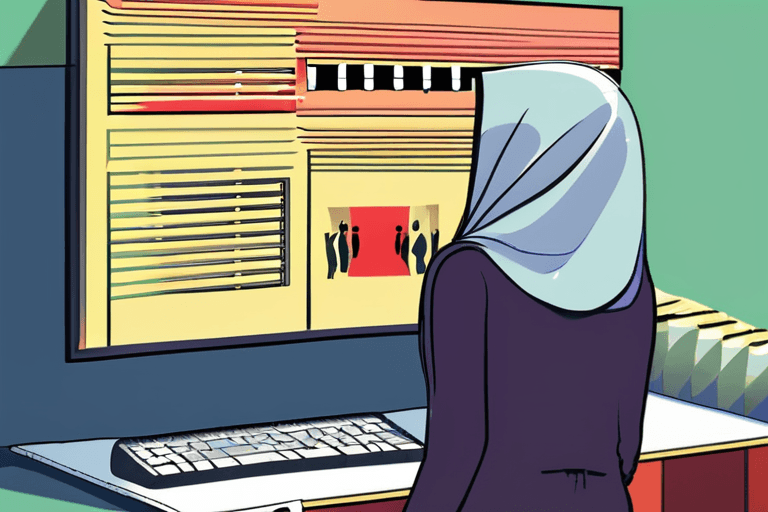
Internet access in Iran was severely restricted amid escalating protests, a move described by experts as a familiar tactic employed by the nation's leadership to suppress dissent. Sina Azodi, a professor of Middle East Politics at George Washington University, stated that these internet shutdowns are a deliberate attempt to silence voices, particularly those of women who are at the forefront of the demonstrations.
The protests, which began in response to economic grievances and social restrictions, have seen significant participation from women across Iran. They are demanding greater freedoms and an end to discriminatory practices, often using social media to organize and share information. The internet shutdowns hinder their ability to connect, coordinate, and report on the ongoing events.
Azodi explained that the Iranian government has a history of employing internet restrictions during times of unrest. "This is a classic ploy," he said. "By limiting access to information, the government aims to control the narrative and prevent the spread of dissenting opinions." This control disproportionately affects women, who often rely on online platforms to express themselves and advocate for their rights in a society where their voices are frequently marginalized.
The digital crackdown raises concerns about the safety and well-being of Iranian women activists. Without access to secure communication channels, they become more vulnerable to surveillance and potential retaliation from authorities. International human rights organizations have condemned the internet shutdowns, calling on the Iranian government to respect the rights to freedom of expression and assembly.
The current status of internet access in Iran remains limited, with reports of ongoing disruptions and censorship. It is unclear when full access will be restored, but experts anticipate that the restrictions will likely persist as long as the protests continue. The situation underscores the challenges faced by women in Iran who are striving for equality and social change in the face of government repression. The international community continues to monitor the situation, with many advocating for increased support for Iranian women and their fight for fundamental rights.


















Discussion
Join the conversation
Be the first to comment