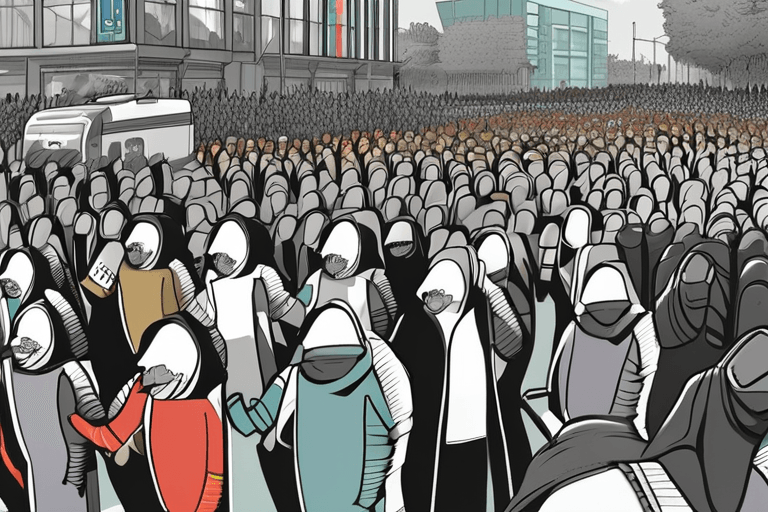
Protests erupted in Tehran and other Iranian cities Thursday evening, with demonstrators calling for the overthrow of Supreme Leader Ayatollah Ali Khamenei amid growing discontent over the country's economic situation. Videos verified by BBC Persian showed large crowds marching in Tehran and Mashhad, in what observers are calling the largest display of opposition to the clerical establishment in years.
The demonstrations, which remained peaceful and were not dispersed by security forces initially, followed 12 consecutive days of unrest triggered by the collapse of the Iranian currency. The protests have reportedly spread to over 100 cities and towns across all 31 of Iran's provinces, according to human rights groups.
Footage from the protests captured demonstrators chanting slogans in support of Reza Pahlavi, the exiled son of the late former Shah, who has urged his supporters to take to the streets.
The US-based Human Rights Activist News Agency (HRANA) reported that at least 34 protesters, including five children, and eight security personnel have been killed since the unrest began.
Following the demonstrations on Thursday, a monitoring group reported a nationwide internet blackout, raising concerns about the government's response to the protests and its ability to control the flow of information.
The protests come at a time of increasing economic hardship for many Iranians, exacerbated by international sanctions and internal economic policies. The Iranian currency has plummeted in value, leading to rising prices and widespread discontent.
The government has yet to issue a comprehensive statement addressing the protests, but state media has acknowledged the economic grievances of the population.
The situation remains fluid, and it is unclear how the government will respond to the ongoing protests. The internet blackout and the reported casualties raise concerns about potential escalation and further restrictions on freedom of expression.

















Discussion
Join the conversation
Be the first to comment