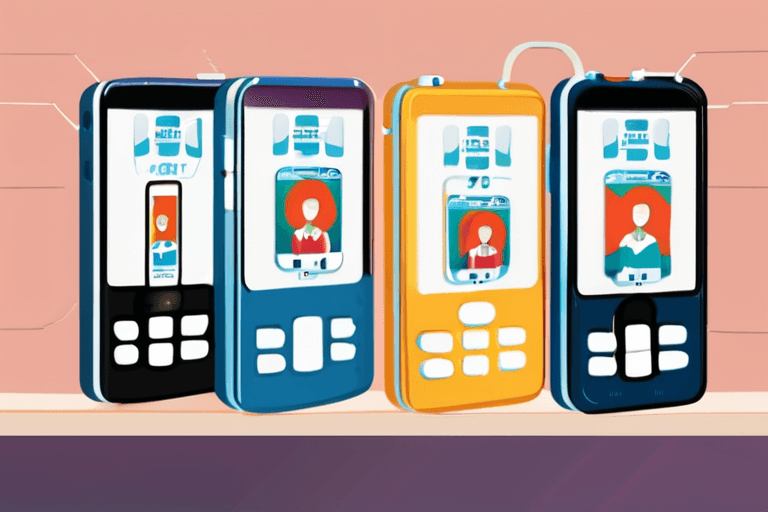
New Jersey became the latest state in the United States to restrict student cellphone use in public schools, joining a growing global movement to minimize classroom distractions. Governor Philip D. Murphy signed the legislation into law on Thursday at Ramsey High School, mandating that local education boards across the state establish rules prohibiting cellphones and other internet-enabled devices during the school day, effective for the 2026-27 academic year.
The new law aims to combat distractions from text messages, social media, and games during instructional time. "I say this as a dad of four, more so than a governor," Murphy, a Democrat, stated before signing the bill. "I wish this ban had been in place a long time ago." The measure received bipartisan support in the New Jersey Legislature after Murphy initially endorsed the concept of phone-free schools in his State of the State address nearly a year prior.
Similar restrictions on student cellphone use have been implemented or are under consideration in various countries worldwide. France banned cellphones in primary and middle schools in 2018, citing concerns about cyberbullying and screen addiction. Australia has seen individual schools and states adopt varying policies, with some enforcing complete bans and others allowing limited use for educational purposes. In the United Kingdom, guidance from the Department for Education empowers headteachers to prohibit cellphone use.
The debate over cellphone use in schools reflects broader societal concerns about the impact of technology on young people's attention spans, mental health, and academic performance. Proponents of bans argue that they create a more focused learning environment, reduce cyberbullying, and encourage face-to-face interaction. Critics, however, contend that cellphones can be valuable educational tools and that bans may disproportionately affect students from low-income families who rely on them for communication and access to information.
With the law now enacted in New Jersey, local education boards will be tasked with developing specific policies to implement the ban by the 2026-27 school year. These policies will likely address issues such as storage of cellphones during the school day, exceptions for students with disabilities or medical needs, and consequences for violations. The implementation process will be closely watched by educators and policymakers both within the United States and internationally as they grapple with the challenges and opportunities presented by technology in the classroom.

















Discussion
Join the conversation
Be the first to comment