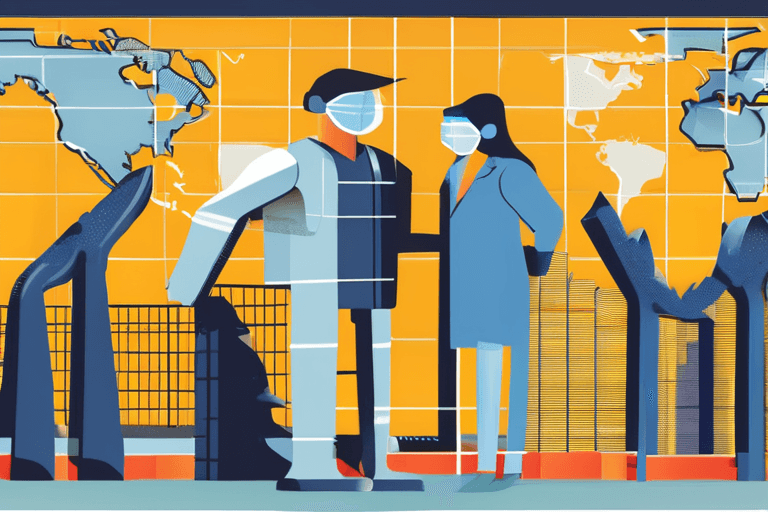
The European Union and the Mercosur bloc of South American countries finalized a comprehensive trade agreement on Friday, establishing a free-trade zone encompassing a market of over 700 million people. This landmark deal, reached after a quarter-century of negotiations, is poised to reshape transatlantic commerce and presents a significant counterpoint to recent protectionist trends.
The agreement eliminates or reduces tariffs on a wide range of goods and services, potentially unlocking billions of dollars in trade flows. Preliminary estimates suggest that the deal could boost the combined GDP of the participating nations by several percentage points over the next decade. Specific sectors expected to benefit include agriculture, automotive, and pharmaceuticals. The EU anticipates increased access to South American markets for its manufactured goods, while Mercosur countries are looking to expand their exports of agricultural products to Europe.
This trade pact arrives at a critical juncture in the global economic landscape. While the United States has pursued a more unilateral approach to trade, characterized by tariffs and trade disputes, the EU and Mercosur have signaled a commitment to multilateralism and international cooperation. The agreement could serve as a model for future trade deals and potentially influence the direction of global trade policy.
Mercosur, comprised of Argentina, Brazil, Paraguay, and Uruguay, represents a significant economic force in South America. The bloc has historically faced challenges related to internal trade barriers and macroeconomic instability. The agreement with the EU is expected to provide a framework for greater economic integration within Mercosur and attract foreign investment.
Looking ahead, the implementation of the agreement will require careful coordination and regulatory alignment between the EU and Mercosur. The success of the trade zone will depend on the ability of businesses to adapt to the new trade rules and capitalize on the opportunities created by the agreement. The long-term impact on global trade patterns and geopolitical dynamics remains to be seen, but the deal undoubtedly marks a significant step towards closer economic ties between Europe and South America.















Discussion
Join the conversation
Be the first to comment