The government is facing criticism for allegedly delaying the implementation of legislation designed to combat deepfakes, particularly in light of the emergence of Grok AI and its potential for misuse. Critics argue that the delay leaves society vulnerable to the malicious applications of this technology, including disinformation campaigns and identity theft.
The accusation centers on the perceived slow pace of progress on a proposed bill that aims to define deepfakes legally, establish penalties for their misuse, and regulate their creation and distribution. According to Laura Cress, a leading AI ethics researcher, "The longer we wait to enact meaningful legislation, the greater the risk of deepfakes being weaponized to manipulate public opinion and undermine trust in institutions."
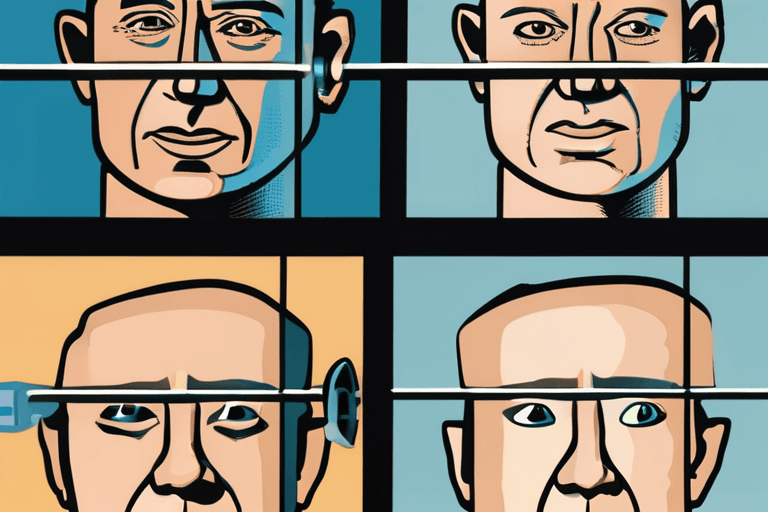
Deepfakes, short for "deep learning fakes," are synthetic media in which a person in an existing image or video is replaced with someone else's likeness. This is achieved using powerful artificial intelligence techniques, specifically deep learning algorithms. These algorithms analyze vast amounts of data to learn patterns and then generate realistic-looking forgeries. The technology has advanced rapidly in recent years, making it increasingly difficult to distinguish between genuine and fabricated content.
Grok AI, a recently released artificial intelligence model, has heightened concerns due to its advanced capabilities in generating realistic text and images. Experts fear that Grok AI could be used to create convincing deepfakes at scale, making it easier for malicious actors to spread disinformation and propaganda. The ease of access to such powerful AI tools amplifies the urgency for regulatory frameworks.
The proposed legislation aims to address several key areas. It seeks to establish clear legal definitions of deepfakes, differentiating them from satire and parody. It also proposes penalties for individuals or organizations that create and distribute deepfakes with malicious intent, such as defaming someone or interfering with elections. Furthermore, the bill calls for transparency requirements, mandating that deepfakes be clearly labeled as such to inform viewers that the content is synthetic.
However, some argue that overly broad legislation could stifle legitimate uses of AI technology, such as in film production or artistic expression. Finding the right balance between protecting society from harm and fostering innovation is a key challenge for policymakers.
The government has defended its approach, stating that it is taking a measured and considered approach to ensure that any legislation is effective and does not have unintended consequences. Officials have emphasized the complexity of the issue and the need to consult with a wide range of stakeholders, including technology companies, legal experts, and civil society organizations.
The current status of the bill is that it is still under review by a parliamentary committee. The committee is expected to hold further hearings and solicit additional feedback before making any recommendations to the full parliament. The timeline for a final vote on the bill remains uncertain. The debate surrounding the legislation is expected to continue, with stakeholders on both sides advocating for their respective positions. The outcome will have significant implications for the future of AI regulation and its impact on society.

















Discussion
Join the conversation
Be the first to comment