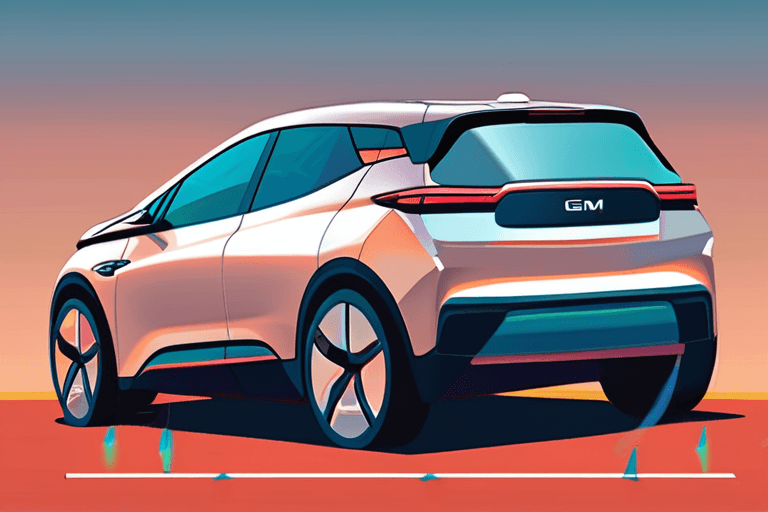
GM is adjusting its production strategy, reducing shifts at some plants and repurposing others, such as the Orion, Michigan facility, to produce combustion-powered pickups and SUVs instead of EVs. Despite these changes, the company will continue to offer electric crossovers, SUVs, and pickups from its Cadillac, Chevrolet, and GMC brands, including the rebatteried Chevy Bolt, which is slated to rejoin the lineup this year.
The company cited several factors contributing to the revised sales expectations. A significant factor is the elimination of the clean vehicle tax credit by the U.S. government, which previously reduced the price of American-made EVs by up to $7,500. This incentive removal has impacted consumer demand for EVs.
The shift in government policy regarding fuel efficiency standards also plays a role. The current administration has signaled a reduced emphasis on automakers selling large quantities of fuel-efficient vehicles, potentially lessening the pressure to aggressively pursue EV sales targets.
The broader context involves the challenges automakers face in transitioning to electric vehicle production and sales. Initial enthusiasm for EVs has been tempered by factors such as infrastructure limitations, consumer adoption rates, and economic considerations. The write-downs by GM and Ford reflect the financial impact of these challenges.

















Discussion
Join the conversation
Be the first to comment