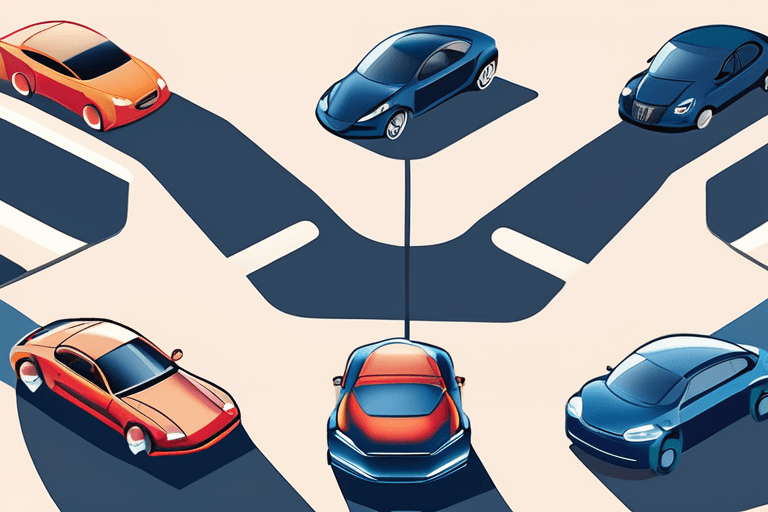
The automotive industry is increasingly viewed as a lucrative frontier for tech companies, particularly those specializing in chip manufacturing. The potential market size, estimated at $123 billion by 2032, reflects an 85 percent increase from 2023, making the automotive sector an attractive target for investment and innovation. This surge in interest was evident at the recent CES consumer tech showcase in Las Vegas, where the convergence of robotics, automotive technology, and chipsets was prominently displayed.
The term "Physical AI" has emerged as a key concept in understanding this evolving landscape. While potentially a marketing buzzword, it encapsulates the ambition of automotive companies to position themselves as technology pioneers. For chip manufacturers, it represents a significant business opportunity, driven by the increasing demand for advanced computing power in vehicles.
Physical AI, in its technical sense, refers to autonomous systems that utilize camera and sensor data to interpret and react to their surroundings. The goal is to enable vehicles to not only perceive the environment but also to reason and perform complex tasks in response to it. This requires sophisticated AI algorithms and powerful processing capabilities, creating a strong demand for advanced chipsets.
The automotive industry's embrace of Physical AI has significant implications for society. It promises safer and more efficient transportation, potentially reducing accidents and improving traffic flow. However, it also raises questions about job displacement, data privacy, and the ethical considerations of autonomous decision-making.
Looking ahead, the development of Physical AI in the automotive sector is expected to accelerate. Advancements in sensor technology, AI algorithms, and chip manufacturing will drive further innovation, leading to more sophisticated autonomous systems. The automotive industry is poised for significant transformation, with Physical AI playing a central role in shaping the future of transportation.














Discussion
Join the conversation
Be the first to comment