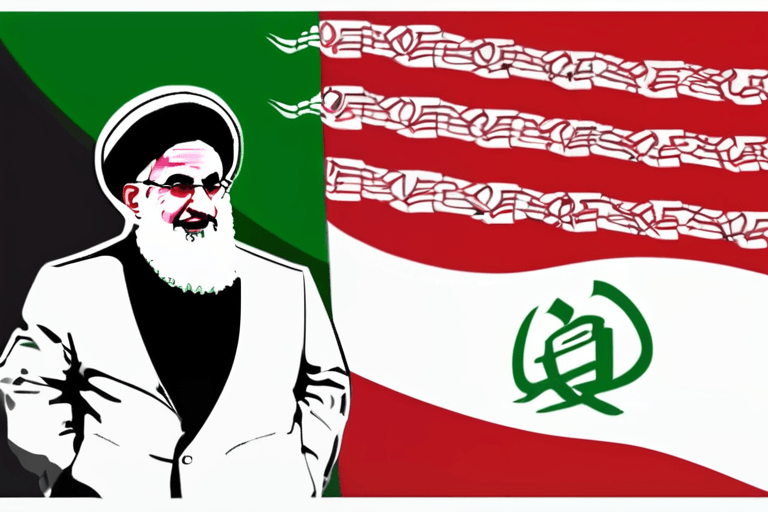
Iran's Supreme Leader Ayatollah Ali Khamenei vowed on Friday that the government would not back down in the face of ongoing protests that have swept the nation in recent weeks. The statement came as the country's leadership signaled a potential escalation in its crackdown on demonstrators.
Khamenei, in a televised speech in Tehran, accused protesters of vandalism and attempting to appease former U.S. President Donald Trump. He described some protesters as individuals whose sole purpose was destruction.
Hours after Khamenei's address, Iran's Supreme National Security Council announced that saboteurs would face severe consequences, indicating a hardening stance against the unrest. This was one of several official statements on Friday that suggested the government was prepared to intensify its response to the uprisings.
Tehran's public prosecutor, Ali Salehi, stated that individuals involved in sabotage, vandalism, and clashes with security forces could face the death penalty by hanging. His comments, carried by Iran's state broadcaster, emphasized the government's resolve. "We will not compromise with armed terrorists," Salehi said.
The protests, which began in late December, initially focused on economic grievances but have since expanded to include demands for broader political change and the ouster of the government. The demonstrations have been fueled by widespread discontent over economic hardship, corruption, and lack of social freedoms.
In response to the escalating protests, Iran implemented a widespread internet blackout on Thursday, restricting access to information and communication platforms. This measure was seen as an attempt to control the flow of information and limit the ability of protesters to organize.
The government's response to the protests has drawn international condemnation, with many countries expressing concern over the use of force against demonstrators and the restrictions on internet access. Former U.S. President Trump had pledged to aid protesters if they faced lethal force.
The current status of the protests remains fluid, with reports of ongoing demonstrations in various cities despite the government's efforts to suppress them. The next developments will likely depend on the government's actions and the protesters' ability to sustain their movement in the face of increasing pressure.












Discussion
Join the conversation
Be the first to comment