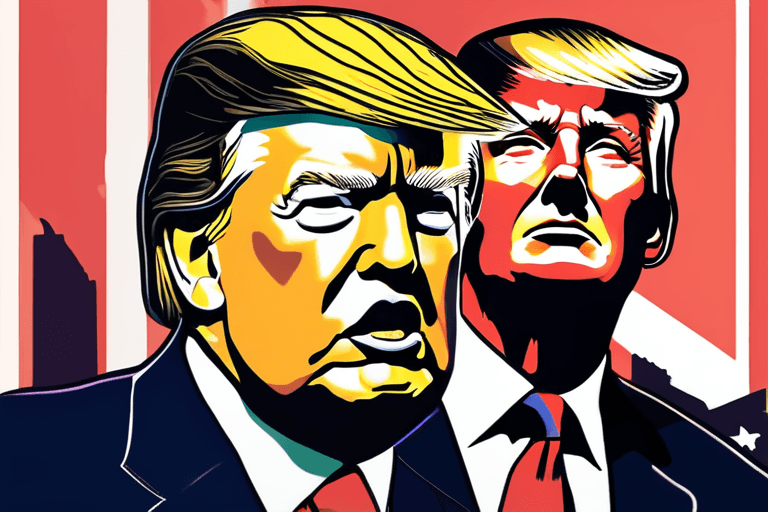
A late-night phone call, brokered in haste, crackled to life between two leaders known more for their digital barbs than diplomatic overtures. On one end, President Donald Trump, a figure synonymous with unpredictable foreign policy. On the other, President Gustavo Petro of Colombia, the nation's first leftist leader, often critical of U.S. interventionism. The subject? A potential crisis sparked by escalating tensions in the region following the United States' seizure of Venezuela's president.
For nearly a year, the relationship between Washington and Bogotá had been defined by a steady stream of social media attacks. Trump, known for his blunt assessments, frequently criticized Petro's policies on drug trafficking and economic reform. Petro, in turn, used his platform to denounce what he perceived as American imperialism and its impact on Latin America. This digital sparring match had strained a historically strong alliance, raising concerns about the future of U.S.-Colombia relations and regional stability.
The catalyst for the sudden shift was a series of tweets from President Trump that appeared to threaten Colombia, alongside other nations, with unspecified military or economic actions. These pronouncements, viewed by many in Bogotá as a direct affront to Colombian sovereignty, prompted immediate back-channel communications between officials in both governments. The goal was simple: to de-escalate the situation before it spiraled into a full-blown diplomatic crisis.
"The call was arranged out of necessity," explained a senior Colombian official, speaking on condition of anonymity. "We felt it was imperative to clarify the President's intentions and to reaffirm Colombia's commitment to a constructive dialogue."
The conversation itself, according to both leaders, was surprisingly productive. "A Great Honor," Trump declared, while Petro called it "Historic," signaling a potential thaw in relations. While details of the discussion remain largely confidential, it is understood that the two presidents addressed key points of contention, including drug policy, trade relations, and the volatile situation in Venezuela.
"The key takeaway is that both sides expressed a willingness to engage in direct communication and to find common ground," said Dr. Isabel Valencia, a professor of political science at the Universidad Nacional de Colombia. "This is a positive step, but it remains to be seen whether this newfound spirit of cooperation will translate into concrete policy changes."
The call also highlighted the delicate balancing act Colombia faces in navigating its relationship with the United States. As a key U.S. ally in the region, Colombia has historically relied on American support for security assistance and economic development. However, Petro's leftist ideology and his desire for greater regional autonomy have led him to pursue a more independent foreign policy, sometimes clashing with U.S. interests.
The situation in Venezuela remains a significant point of contention. While both the U.S. and Colombia share concerns about the country's political and humanitarian crisis, they differ on the best approach to resolving it. The U.S. has favored a policy of sanctions and pressure, while Petro has advocated for dialogue and negotiation.
Looking ahead, the future of U.S.-Colombia relations hinges on the ability of both sides to maintain open lines of communication and to find areas of mutual interest. The abrupt phone call may have averted an immediate crisis, but it also underscored the fragility of the relationship and the need for sustained diplomatic engagement. Whether this "historic" conversation marks a genuine turning point or merely a temporary reprieve remains to be seen.



















Discussion
Join the conversation
Be the first to comment