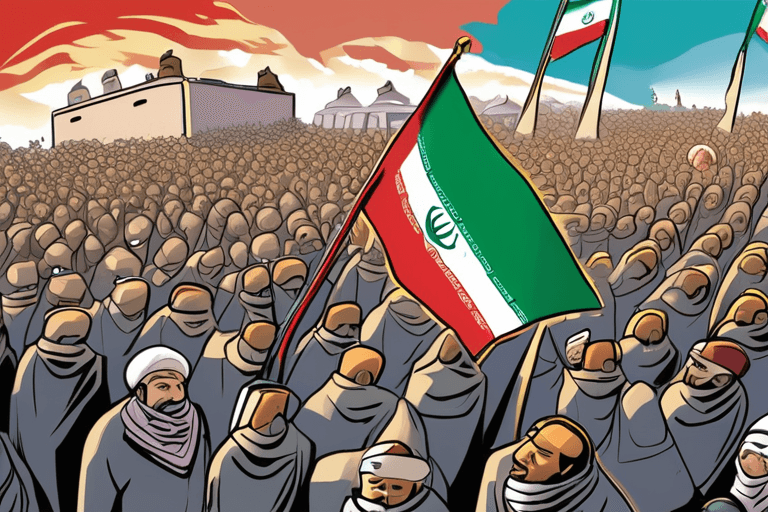
Protests erupted in Tehran and other Iranian cities Thursday evening, with demonstrators calling for the overthrow of Supreme Leader Ayatollah Ali Khamenei amid growing discontent over the country's economic situation. Videos verified by BBC Persian showed large crowds marching in Tehran and Mashhad, in what observers described as the largest display of opposition to the clerical establishment in years.
The demonstrations, which remained peaceful and were not dispersed by security forces initially, followed 12 consecutive days of unrest sparked by the collapse of the Iranian currency. According to human rights groups, the protests have spread to over 100 cities and towns across all 31 of Iran's provinces.
Footage from the protests captured demonstrators chanting slogans in support of Reza Pahlavi, the exiled son of the late former Shah, who has urged his supporters to take to the streets.
The US-based Human Rights Activist News Agency (HRANA) reported that at least 34 protesters, including five children, and eight security personnel have been killed in the unrest.
Following the demonstrations, a monitoring group reported a nationwide internet blackout. The Iranian government has not yet commented on the reported internet shutdown or the extent of the protests.
The protests come at a time of heightened economic pressure on Iran, following the reimposition of sanctions by the United States after its withdrawal from the 2015 nuclear deal. The Iranian rial has plummeted in value, contributing to rising inflation and economic hardship for ordinary Iranians.
The current unrest echoes similar protests that have occurred in Iran in recent years, often triggered by economic grievances. In 2019, protests erupted over fuel price hikes, leading to a violent crackdown by security forces.
The government's response to the current protests remains to be seen. While the initial demonstrations were allowed to proceed without intervention, the reported internet blackout raises concerns about potential restrictions on information and further government action. The situation remains fluid, and the long-term impact of the protests on Iran's political landscape is uncertain.











Discussion
Join the conversation
Be the first to comment