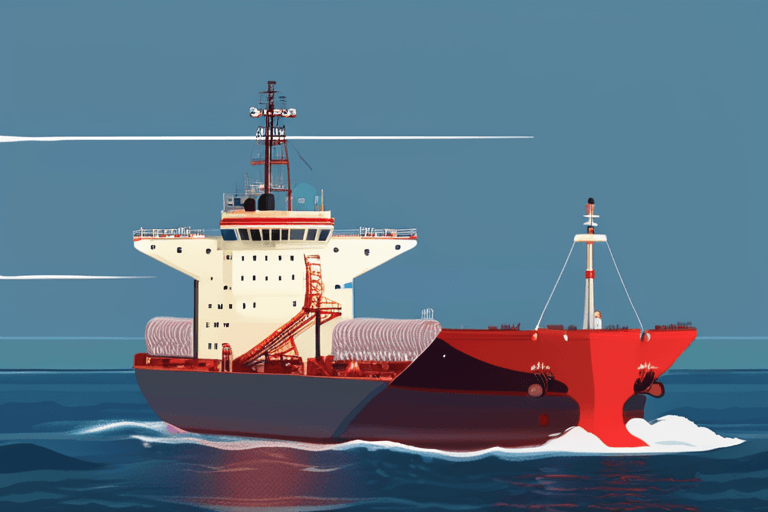
U.S. forces seized a fifth oil tanker in the Caribbean Sea, officials said, continuing the Trump administration's efforts to control exports of Venezuelan oil. The tanker, named the Olina, is on multiple countries' sanctions lists and is the fifth vessel seized by the U.S. in recent weeks.
The U.S. is using these seizures to pressure Venezuela's interim government and dismantle what they call the "dark fleet" of tankers. According to officials, this fleet comprises more than 1,000 vessels involved in transporting sanctioned and illicit oil.
The U.S. military's Southern Command stated on Friday, "Once again, our joint interagency forces sent a clear message this morning: 'there is no safe haven for criminals.'"
The vessel reportedly left Venezuelan waters late on Sunday, following the U.S. seizure of President Nicolás Maduro in an early morning raid. Officials said Friday's operation was carried out before dawn by Marines and sailors in coordination with the Department of Homeland Security. The Olina was seized after it "departed Venezuela attempting to evade US forces," according to officials.
The seizures are part of a broader strategy by the U.S. to exert economic pressure on the Maduro regime, which the U.S. does not recognize as the legitimate government of Venezuela. The U.S. has imposed sanctions on numerous Venezuelan officials and entities, including the state-owned oil company PDVSA, in an effort to cut off revenue streams to the government.
The concept of using AI in maritime surveillance and enforcement is gaining traction. AI algorithms can analyze vast amounts of data from various sources, including satellite imagery, radar data, and vessel tracking systems, to identify suspicious activity and potential sanctions violations. This technology can help authorities detect and track vessels engaged in illicit activities, such as transporting sanctioned oil, with greater efficiency and accuracy.
The implications of AI-driven enforcement are significant. It could lead to more effective enforcement of sanctions and other regulations, potentially disrupting illicit trade networks and reducing the flow of funds to sanctioned entities. However, it also raises concerns about privacy and potential biases in AI algorithms. It is crucial to ensure that these technologies are used responsibly and ethically, with appropriate safeguards in place to protect individual rights and prevent unintended consequences.
Homeland Security officials have not yet released details on the Olina's current location or its intended destination. The seized tankers are typically taken to U.S. ports for further investigation and potential forfeiture. The U.S. government is expected to continue its efforts to disrupt the Venezuelan oil trade and pressure the Maduro regime.
















Discussion
Join the conversation
Be the first to comment