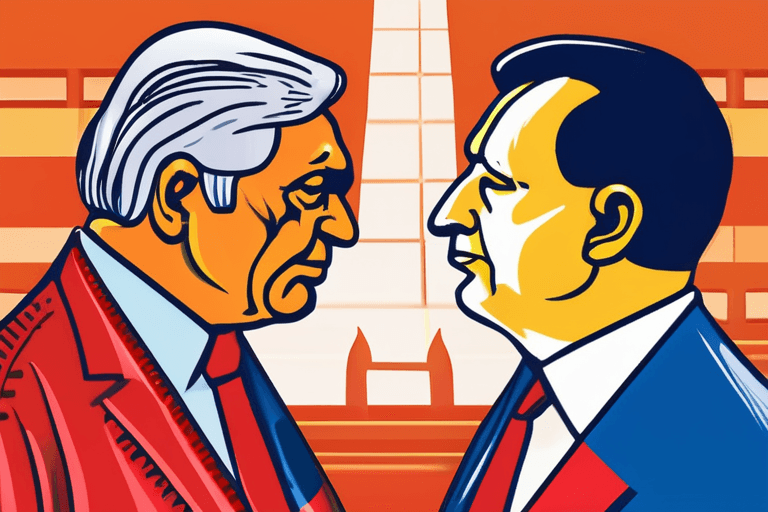
The European Union reached a free trade agreement with the Mercosur trading bloc, comprised of Brazil, Argentina, Paraguay, and Uruguay, after 25 years of negotiations. The agreement, finalized in Brussels, now requires approval from the European Parliament in the coming months.
Brazilian President Luiz Inacio Lula da Silva called the agreement a "historic day for multilateralism." The EU has presented the accord as its largest free trade agreement to date, emphasizing its potential to stimulate economic growth through international trade.
The agreement arrives amidst a global backdrop of increasing protectionism, including tariffs imposed by the United States. Proponents argue that the deal signals a commitment to international trade as a driver of economic growth.
However, the agreement has faced opposition, particularly from farmers in several European countries who fear that cheaper imports from South America will undercut their businesses. Concerns have been raised about potential impacts on European producers of beef, poultry, and sugar. Critics argue that the agreement could disadvantage European farmers.
The EU and Mercosur began discussions on a trade agreement in 1999, with the goal of reducing tariffs and fostering greater economic cooperation. The lengthy negotiation process reflected the complexities of aligning diverse economic interests and addressing concerns about environmental and agricultural standards.
The European Parliament will now review the agreement, and its approval is necessary for the deal to take effect. The ratification process is expected to involve further debate and scrutiny, particularly regarding the potential impacts on European agriculture and environmental regulations.
















Discussion
Join the conversation
Be the first to comment