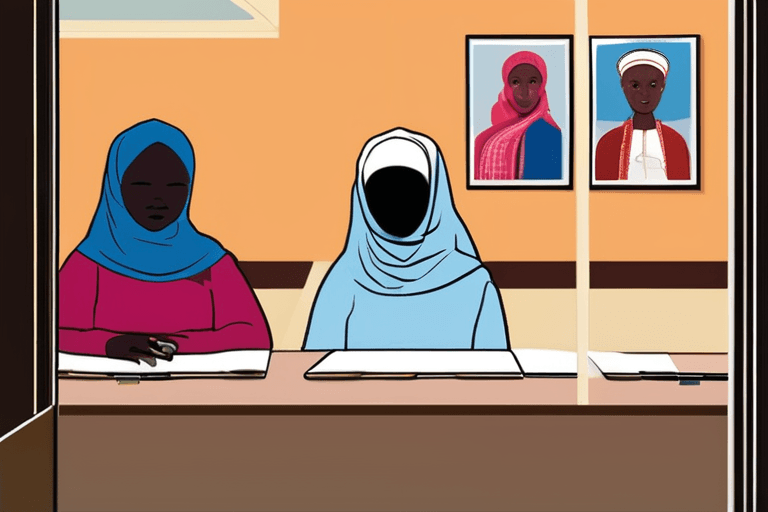
The court case resumed this month, following a tragic incident last year in which two infants died from complications after undergoing FGM in the Gambia. Almameh Gibba, the MP involved in the challenge, previously introduced a bill to parliament seeking to decriminalize FGM, but it was defeated.
FGM, which involves altering or injuring the female genitalia for non-medical reasons, is recognized internationally as a violation of human rights. The World Health Organization (WHO) estimates that more than 200 million girls and women alive today have undergone FGM in 30 countries in Africa, the Middle East, and Asia. While the practice is deeply rooted in cultural traditions in some communities, it carries significant health risks, including severe bleeding, infections, childbirth complications, and psychological trauma.
Fatou Baldeh, founder of the Gambian rights organization Women in Liberation Leadership, sees the legal challenge as a worrying trend. "This is the latest move in a backlash against women's rights that is eroding gender protections across the world," she stated.
The Gambia outlawed FGM in 2015, imposing penalties of up to three years in prison. Despite the ban, the practice persists, particularly in rural areas. According to UNICEF, almost 75% of women in the Gambia have undergone FGM, often as infants.
The case in the Gambia reflects a complex interplay of cultural beliefs, religious interpretations, and human rights concerns. Similar debates are ongoing in other countries where FGM remains prevalent, highlighting the challenges in eradicating the practice while respecting cultural sensitivities. The outcome of the supreme court case in the Gambia could have significant implications for the future of women's rights in the country and serve as a precedent for similar legal challenges elsewhere. The court is expected to deliver its ruling in the coming weeks.



















Discussion
Join the conversation
Be the first to comment