Artificial intelligence moved beyond screens and into the physical world at CES 2026 in Las Vegas, dominating the annual tech showcase with advancements in robotics and AI-powered devices. Companies attending the event demonstrated AI's expanded capabilities, showcasing applications beyond chatbots and image generators, according to TechCrunch's Equity podcast.
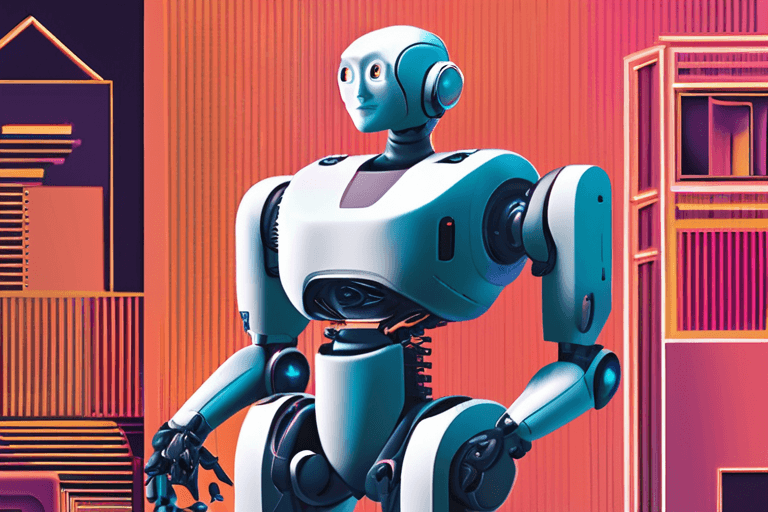
Boston Dynamics presented its redesigned Atlas humanoid robot, highlighting AI's role in advanced manufacturing and automation. The robot's updated design and capabilities underscored the increasing sophistication of physical AI systems. AI-powered ice makers were also present, illustrating the technology's integration into everyday consumer products.
The shift towards physical AI has significant implications for society. As AI systems become more capable of performing physical tasks, they are poised to transform industries ranging from manufacturing and logistics to healthcare and entertainment. This transformation raises questions about workforce displacement, the need for retraining programs, and the ethical considerations of deploying autonomous robots in public spaces.
"AI isn't just capable of answering questions anymore," the Equity podcast noted. "It's ready to move car parts in factories, catch drones with net guns, and dance in automaker booths." This statement encapsulates the breadth of AI's expanding role.
The development of physical AI relies on advancements in several key areas, including machine learning, computer vision, and robotics. Machine learning algorithms enable AI systems to learn from data and improve their performance over time. Computer vision allows robots to perceive their environment and interact with objects. Robotics provides the physical platform for AI to operate in the real world.
The current status of physical AI is one of rapid development and experimentation. Companies are investing heavily in research and development, and new applications are emerging at a rapid pace. The next developments in physical AI are likely to include increased autonomy, improved dexterity, and greater integration with other technologies, such as the Internet of Things (IoT) and 5G networks.
















Discussion
Join the conversation
Be the first to comment