NASA's new administrator, Jared Isaacman, expressed full confidence this week in the agency's plan to utilize the existing heat shield for the Orion spacecraft during its upcoming lunar mission. Isaacman's determination followed briefings with NASA's senior leaders and a half-day review of the agency's findings, which included external expert consultations.
Isaacman stated on Thursday that his confidence in the Orion spacecraft and its heat shield was "grounded in rigorous analysis and the work of exceptional engineers who followed the data throughout the process." He had previously indicated that reviewing the heat shield issue early in his tenure was a priority, especially with the Artemis II mission scheduled to launch in as few as four weeks. He engaged with senior agency officials on the matter within hours of being sworn in on December 18.
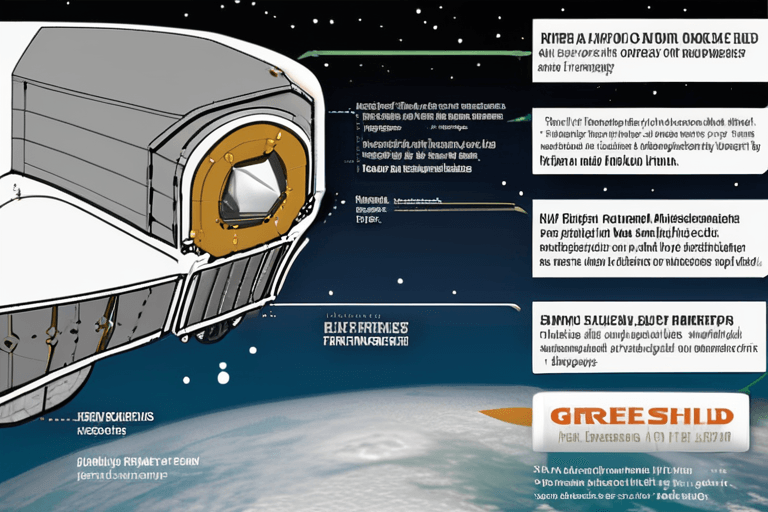
The decision comes after NASA faced criticism following the Artemis I mission in November 2022 regarding the heat shield's performance. The heat shield is a critical component, designed to protect the Orion spacecraft from extreme temperatures during re-entry into Earth's atmosphere. These temperatures can reach nearly 5,000 degrees Fahrenheit (2,760 degrees Celsius). The shield is designed to ablate, or burn away in a controlled manner, dissipating heat and protecting the crew module.
The Artemis program, of which the upcoming lunar mission is a part, represents NASA's renewed commitment to human space exploration beyond low Earth orbit. The program aims to land the first woman and person of color on the Moon, paving the way for future missions to Mars. The success of the Artemis II mission, and the reliability of the Orion heat shield, are crucial for the overall success and future of the Artemis program.
Isaacman, a private astronaut and billionaire entrepreneur, has also advocated for increased public transparency at NASA. This commitment to openness could influence how the agency communicates about the Artemis program and other future missions. The Artemis II mission is currently scheduled to launch within the next four weeks, pending final reviews and weather conditions. NASA will continue to monitor the performance of the heat shield and other critical systems throughout the mission.


















Discussion
Join the conversation
Be the first to comment