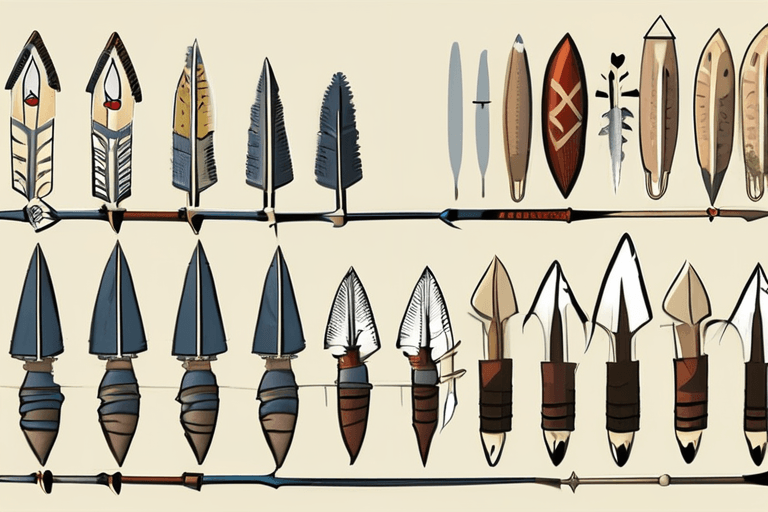
Traces of plant-based poison have been discovered on several 60,000-year-old quartz Stone Age arrowheads found in South Africa, according to a new paper published in the journal Science Advances. This discovery represents the oldest direct evidence of using poisons on projectiles, indicating a cognitively complex hunting strategy that dates back to the Pleistocene epoch.
The arrowheads were unearthed in South Africa, and the analysis revealed residue consistent with plant-based poisons. This finding pushes back the known timeline for the use of poisoned weapons, a practice documented across various cultures throughout history.
The use of poisoned arrows and darts has been a widespread practice for both hunting and warfare across the globe. Historical records from ancient Greece and Rome contain recipes for poisoning projectiles and deploying them in battle. References to poisoned weapons also appear in Greek mythology, including Homer's Iliad and Odyssey. Similarly, warriors in ancient China, Gaul, and Scythia employed poisoned weapons, as did some Native American populations.
The poisons used on such weapons were often derived from plants or animals. Examples include curare, a plant-based muscle relaxant that paralyzes the victim's respiratory system, leading to death by asphyxiation. Other sources included poisonous frogs, beetles, and venomous lizards. The specific plant used in the South African arrowheads is still under investigation.
The identification of poison residue on these ancient arrowheads provides insight into the cognitive abilities and technological advancements of early humans. The deliberate application of poison to hunting weapons suggests a sophisticated understanding of plant properties and their effects on prey. Further research is planned to identify the specific plant species used to create the poison and to understand the methods used to extract and apply it to the arrowheads.


















Discussion
Join the conversation
Be the first to comment