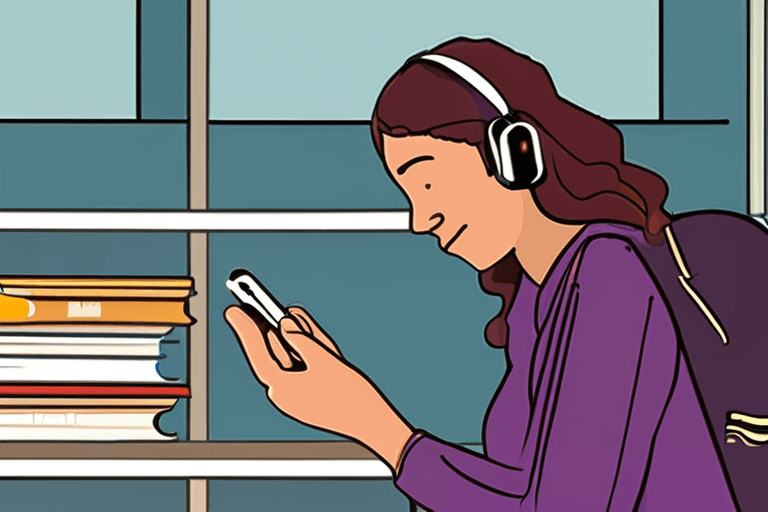
New Jersey became the latest state in the United States to restrict student cellphone use in public schools, joining a growing international trend aimed at minimizing classroom distractions. Governor Philip D. Murphy signed the bill into law on Thursday at Ramsey High School, mandating that local education boards establish rules prohibiting cellphones and other internet-enabled devices during the school day, effective for the 2026-27 academic year.
The legislation seeks to address concerns that students are being diverted from their studies by digital distractions such as text messages, social media, and games. The bill received bipartisan support in the New Jersey Legislature, passing nearly a year after Governor Murphy initially endorsed the concept of phone-free schools. "I say this as a dad of four, more so than a governor," Murphy stated at the signing ceremony. "I wish this ban had been in place a long time ago."
Globally, concerns about the impact of smartphones on student focus and well-being have prompted various responses. France implemented a nationwide ban on cellphones in primary and middle schools in 2018. Similar debates and pilot programs have taken place in countries like the United Kingdom, where individual schools often determine their own policies regarding phone use. In some East Asian countries, where academic performance is highly emphasized, schools have long had strict regulations on technology use during school hours.
The New Jersey law reflects a growing awareness in the U.S. of the potential downsides of ubiquitous technology in educational settings. While proponents argue that cellphones can be valuable learning tools, concerns remain about their potential to disrupt classroom instruction, facilitate cyberbullying, and contribute to student anxiety. The implementation of the new law will require local school boards to develop specific policies that align with the state mandate, leaving room for variation in how the ban is enforced across different districts. The law is expected to take effect in the 2026-2027 school year.


















Discussion
Join the conversation
Be the first to comment