The government is facing criticism for allegedly delaying the implementation of legislation addressing deepfakes, particularly in light of the emergence of Grok AI and its potential misuse. Critics argue that the delay leaves the public vulnerable to misinformation and manipulation, especially as AI technology becomes more sophisticated and accessible.
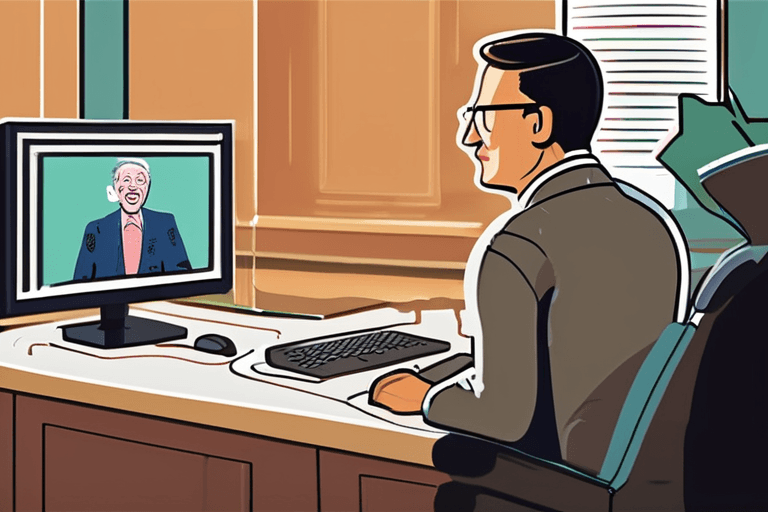
The accusation centers on the perceived slow pace of progress on a proposed bill designed to regulate the creation and distribution of deepfakes. Deepfakes, which are synthetic media in which a person in an existing image or video is replaced with someone else's likeness, are created using artificial intelligence, specifically a type of machine learning called deep learning. This technology allows for the creation of highly realistic, yet entirely fabricated, content.
Grok AI, a new artificial intelligence model, is adding urgency to the debate. While Grok AI itself is not inherently designed to create deepfakes, its advanced capabilities in natural language processing and image generation could potentially be leveraged to produce convincing fake content more easily and at scale. Experts warn that this could exacerbate the problem of online disinformation and make it harder to distinguish between authentic and fabricated information.
"The longer we wait to regulate deepfakes, the greater the risk of widespread manipulation and erosion of trust in our institutions," said Laura Cress, a leading advocate for AI ethics. "Grok AI's capabilities highlight the urgent need for proactive legislation."
The proposed legislation aims to address several key aspects of deepfake regulation. These include requiring disclaimers on deepfakes indicating that the content is synthetic, establishing legal recourse for individuals who are depicted in deepfakes without their consent, and potentially criminalizing the creation and distribution of deepfakes intended to cause harm or interfere with elections.
The government defends its approach by citing the complexity of the issue and the need for careful consideration to avoid unintended consequences. Officials argue that overly broad regulations could stifle legitimate uses of AI technology, such as in entertainment, education, and artistic expression. They also emphasize the importance of balancing free speech rights with the need to protect individuals from harm.
"We are committed to addressing the challenges posed by deepfakes, but we must do so in a way that is both effective and constitutional," stated a government spokesperson. "We are carefully reviewing the proposed legislation and consulting with experts to ensure that it strikes the right balance."
However, critics contend that the government's caution is bordering on inaction. They point to other countries that have already implemented deepfake regulations and argue that the U.S. is falling behind in addressing this growing threat. The European Union, for example, has included provisions on deepfakes in its Digital Services Act, requiring platforms to label synthetic content.
The debate over deepfake regulation raises fundamental questions about the role of government in regulating emerging technologies. It also highlights the challenges of balancing innovation with the need to protect individuals and society from potential harms. As AI technology continues to advance, the pressure on policymakers to address these issues will only intensify.
The next step is a scheduled hearing before the House Judiciary Committee, where experts and stakeholders will discuss the proposed legislation and offer recommendations. The outcome of this hearing could significantly influence the future of deepfake regulation in the United States.
















Discussion
Join the conversation
Be the first to comment