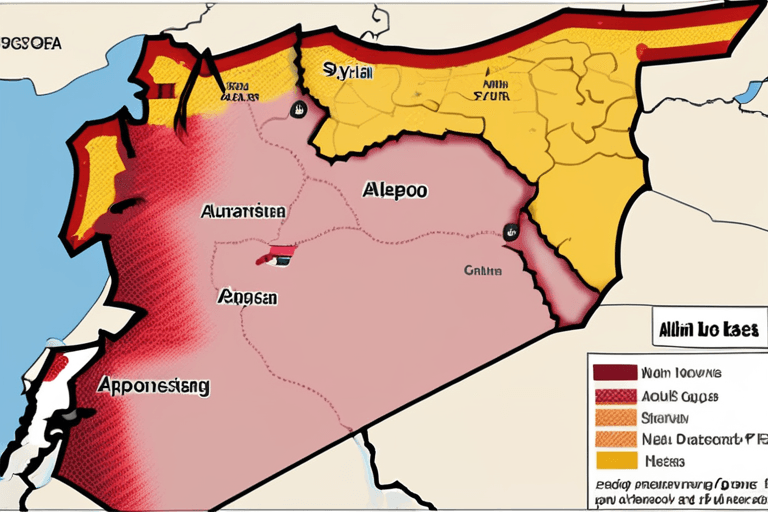
Fighting intensified in Aleppo, Syria, as the Syrian army escalated its strikes against Kurdish fighters in the Sheikh Maqsoud neighborhood, prompting a mass exodus of civilians. The escalation followed the collapse of ceasefire talks with the Kurdish-led Syrian Democratic Forces (SDF), who refused to withdraw from the area, according to reports.
Mohammed al-Rajab, Aleppo's emergency chief, told Al Jazeera Arabic that approximately 162,000 people have fled their homes in the Ashrafieh and Sheikh Maqsoud neighborhoods due to the ongoing violence. The government subsequently declared Sheikh Maqsoud a closed military zone on January 9, 2026.
A Syrian military source, also speaking to Al Jazeera Arabic, claimed that the army was making progress in the Sheikh Maqsoud neighborhood. The source did not provide specific details about the military operations but indicated a sustained effort to dislodge the SDF fighters.
The clashes highlight the complex and fragile security situation in Syria, particularly the challenge of integrating the SDF into the country's future. The SDF, which played a crucial role in defeating ISIS in northeastern Syria, controls significant territory and maintains a degree of autonomy, a situation that the Syrian government seeks to change.
The current fighting is rooted in long-standing tensions between the Syrian government and Kurdish groups seeking greater autonomy within Syria. The SDF's refusal to withdraw from Sheikh Maqsoud triggered the government's military response, raising concerns about further escalation and humanitarian consequences.
The situation remains fluid, with continued reports of heavy fighting and civilian displacement. The international community has yet to release any statements, but the clashes are likely to further complicate efforts to find a lasting political solution to the Syrian conflict. The next steps will likely involve further military operations by the Syrian army and potential attempts at renewed negotiations between the government and the SDF, mediated by international actors.















Discussion
Join the conversation
Be the first to comment