Colombian President Gustavo Petro affirmed his government's commitment to cooperating with the United States on combating narcotics, despite what he characterized as recent "insults and threats" from Washington. Petro's remarks, made in an interview with Al Jazeera's Teresa Bo in Bogota, Colombia, signaled a desire to de-escalate tensions following a period of heightened rhetoric between the two nations.
Petro highlighted the importance of maintaining open communication channels with the U.S., particularly after a phone call with U.S. President Donald Trump on Wednesday. He described the call as a new avenue for direct dialogue that had not previously existed. "This means of communication did not exist before," Petro stated, emphasizing the significance of direct engagement.
The shift in tone follows Trump's earlier threats of potential military action against Colombia. Details of the specific threats were not disclosed, but they reportedly stemmed from concerns over Colombia's efforts to combat drug trafficking. The United States has long been a key partner in Colombia's anti-narcotics initiatives, providing financial and logistical support.
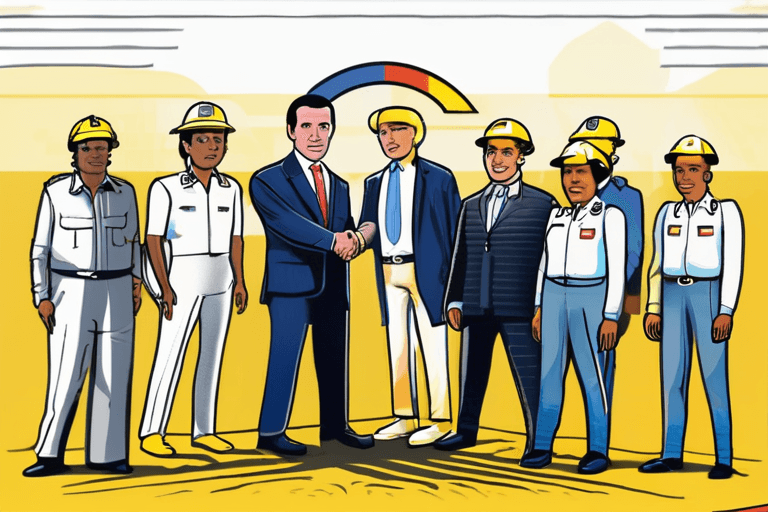
Trump extended an invitation to Petro to visit the White House, a move seen by some analysts as an attempt to ease tensions. The invitation came shortly after the controversial threats, suggesting a complex and evolving dynamic between the two countries.
The United States has historically played a significant role in Colombian politics and security, particularly through Plan Colombia, a multi-billion dollar aid package aimed at combating drug trafficking and supporting counter-insurgency efforts. While the specific details of current U.S. policy towards Colombia remain unclear, the ongoing cooperation on narcotics suggests a continued commitment to addressing shared security concerns.
The Colombian government has not released a specific date for Petro's potential visit to the White House. The focus remains on maintaining open lines of communication and finding common ground on issues of mutual interest, despite the recent diplomatic friction.
















Discussion
Join the conversation
Be the first to comment