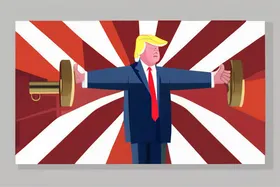
The Trump administration initiated a significant shift in its relationship with the defense industry, seeking to exert greater control over weapons manufacturers. An executive order signed Wednesday prohibits stock buybacks and dividend payouts at defense companies deemed underperforming or that haven't made sufficient capital investments.
The order grants Defense Secretary Pete Hegseth broad authority to scrutinize compensation packages at defense contractors engaging in stock buybacks without adequate facility investments. Hegseth is tasked with compiling a list of such companies within 30 days. Inclusion on this list could lead to executive salary caps and a loss of administration support for international military sales. Future military contracts will also tie executive bonuses to increased output and on-time deliveries.
This move reflects long-standing concerns in Washington regarding the efficiency and effectiveness of weapons production and sales. The immediate market reaction was muted, with major defense stocks showing little movement in after-hours trading. However, analysts predict potential long-term impacts on company valuations and investment strategies.
The defense industry, a sector heavily reliant on government contracts, has faced increasing scrutiny over cost overruns and project delays. Companies like Lockheed Martin and Boeing, major players in the defense market, have previously faced criticism for perceived inefficiencies. This executive order signals a more assertive approach by the administration to address these issues.
Looking ahead, the order's effectiveness will depend on its enforcement and the specific metrics used to define "underperformance." The potential for salary caps and restricted international sales support could significantly impact executive decision-making and corporate strategies within the defense sector. The long-term consequences for innovation and investment within the industry remain to be seen.














Discussion
Join the conversation
Be the first to comment