The Trump administration's recent threats to acquire Greenland, either through purchase or military force, have raised concerns about potential conflict between NATO allies. Greenland, a semi-autonomous territory of Denmark, is at the center of the dispute. Both the U.S. and Denmark are founding members of NATO, the transatlantic military alliance.
European and Canadian leaders have voiced support for Denmark and Greenland, indicating they are developing a contingency plan should the U.S. act on its threats. Analysts suggest that a U.S. attempt to seize Greenland would be an unprecedented event in NATO's history, potentially testing the limits of Article 5, the alliance's collective defense clause.
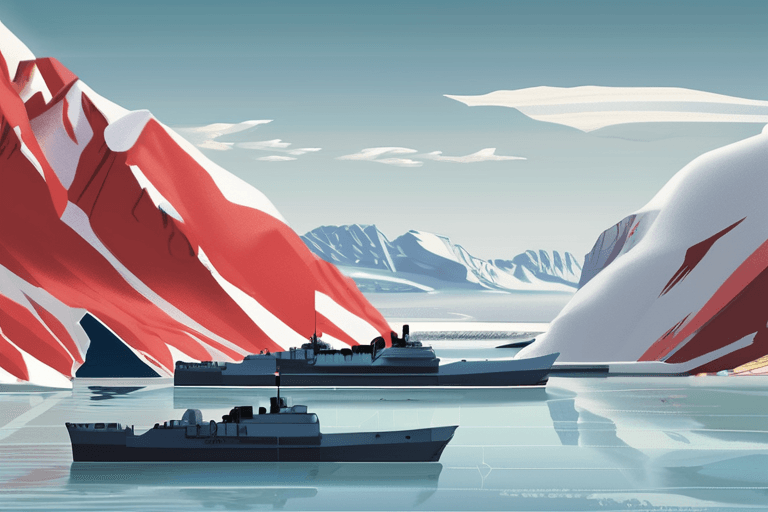
While direct military conflict between NATO members is rare, historical incidents demonstrate the potential for friction. One such instance, the "Cod Wars" between the United Kingdom and Iceland, involved naval vessels from both countries. In one instance, a Royal Navy frigate, HMS Brighton, maneuvered in front of the Icelandic gunboat Thor after Thor cut the trawling wires of a British trawler.
The current situation highlights the complex geopolitical landscape of the Arctic region. The U.S. already operates the Pituffik Space Base in Greenland in coordination with Danish authorities. Any attempt to unilaterally seize control of the territory would likely be viewed as a violation of international law and a breach of trust within the NATO alliance.
The use of artificial intelligence (AI) in analyzing geopolitical risks is becoming increasingly prevalent. AI algorithms can assess the likelihood of conflict by analyzing vast datasets, including political statements, military deployments, and economic indicators. These AI systems can identify potential flashpoints and provide early warnings to policymakers. However, the reliance on AI also raises concerns about bias and the potential for misinterpretation of data.
The future of Greenland and its relationship with both Denmark and the U.S. remains uncertain. The situation underscores the importance of diplomatic dialogue and adherence to international norms in resolving disputes between allies. The next steps will likely involve further negotiations between the involved parties and a reassessment of the U.S.'s strategic interests in the Arctic.

















Discussion
Join the conversation
Be the first to comment